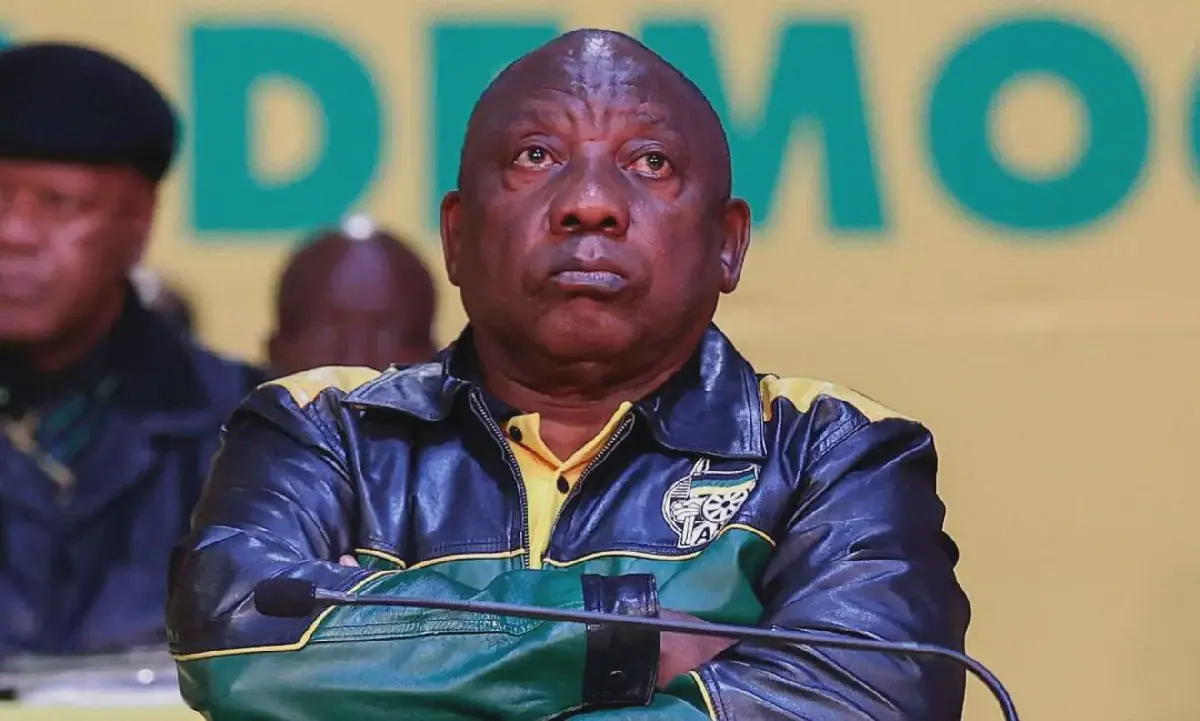
The African National Congress (ANC) has suffered a significant blow in the recent local government elections in South Africa. According to results announced on Sunday, the ANC garnered only 30.76% of the votes, compared to 45.59% in the 2021 local government elections. This decline in support is a significant indicator of the party's waning influence, which has been the dominant force in South African politics since the country's transition to democracy in 1994 under the leadership of Nelson Mandela.
The main opposition party, the Democratic Alliance (DA), secured 24.64% of the votes, taking second place, while the uMkhonto weSizwe party, led by former President Jacob Zuma, gained 9.76% and secured third place. These results have weakened the ANC's negotiating power with other parties to form municipal governments. The decline in ANC's popularity is largely attributed to the party's failure to deliver essential services such as water and electricity, which has led to widespread dissatisfaction among citizens.
ANC Secretary-General Fikile Mbalula described the results as a "disaster" for the party, acknowledging that the ANC had failed to meet the expectations of its constituents. He emphasized that the party would not seek leadership positions through coercion during coalition negotiations. Instead, Mbalula urged the party to reflect on its shortcomings and make necessary adjustments.
President Cyril Ramaphosa, however, viewed the results as a testament to the strength of South Africa's democracy and the citizens' right to choose their leaders. He encouraged parties to engage in negotiations in good faith, warning that the interests of citizens should not be compromised by political rivalries. With 14 days to form coalitions, the number of municipalities requiring alliances has more than doubled compared to the 2021 elections.
In Johannesburg, the DA secured 35% of the votes, surpassing the ANC's 20%. This development could potentially pave the way for DA leader Helen Zille to assume the mayoral position if she can secure support from other parties. However, ActionSA leader Herman Mashaba stated that his party would not support Zille as mayor of the country's largest city.
The ANC's decline has significant implications for South African politics, with the party facing the challenge of regaining the trust of its constituents ahead of future elections. As coalition negotiations unfold, parties are expected to prioritize the interests of citizens and work towards effective governance.
The outcome of these elections marks a significant shift in South Africa's political landscape, with the ANC's diminished influence creating opportunities for other parties to assert their presence. As the country navigates this new political terrain, citizens and leaders alike will be watching closely to see how the ANC and other parties adapt to the changing dynamics.
Key points
- ANC lost significant support in South African local elections, gaining only 30.76% of votes.
Reporting sources
- WIMBI LA MABADILIKO: ANC yaangushwa katika uchaguzi wa manispaa Afrika Kusini · taifaleo.nation.co.ke