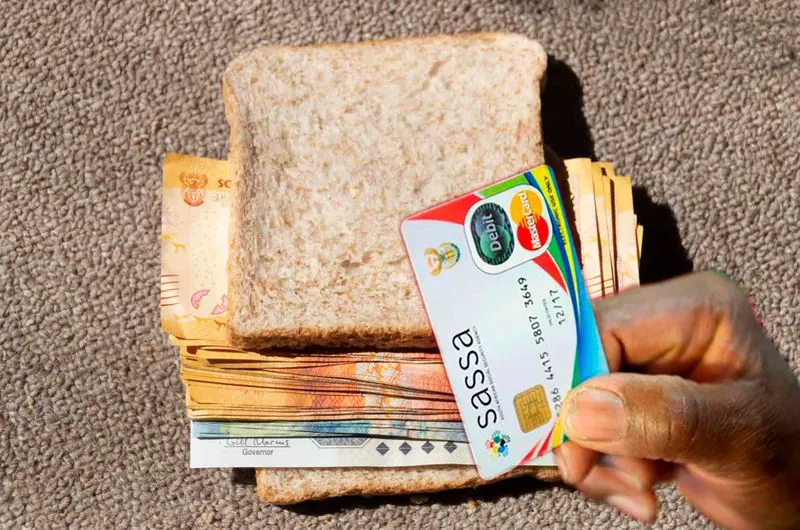
As South Africa prepares for local government elections in November, the African National Congress (ANC) is under scrutiny for its commitment to implementing a basic income grant (BIG) policy. The ANC has consistently promised to introduce the BIG, which would provide a basic income for all unemployed people aged 18 to 59. However, the party's ability to follow through on this promise is being questioned, particularly in light of challenges from National Treasury.
The BIG policy has been touted as a key initiative to address poverty and inequality in South Africa. According to economic justice advocate Tlou Seopa, the BIG is crucial for ensuring that households have access to a decent standard of living. The social relief of distress (SRD) grant, which was introduced to provide temporary relief to households in need, has been instrumental in allowing people to access a level of dignity. However, the SRD grant has been subject to budget cuts and exclusionary regulations, which have limited its impact.
President Cyril Ramaphosa has emphasized the importance of implementing the BIG, stating that "we can only be strong when we are equal, when the progress we have made is shared by all South Africans." However, his efforts have been hindered by incompetent ministers and issues with the South African Social Security Agency (Sassa). National Treasury has also played a significant role in watering down the SRD grant, which is seen as a precursor to the BIG.
The ANC's commitment to the BIG policy has been strengthened by a High Court ruling in October 2024, which declared the SRD grant regulations unconstitutional and invalid. The court ordered the government to adjust the grant to keep pace with the cost of living. However, National Treasury and the Department of Social Development have challenged the court ruling, which has raised concerns about the government's willingness to implement the BIG.
National Treasury has argued that the BIG is not affordable, despite extensive research and expert advice suggesting that it is possible to implement. The Treasury's allocation of funds ultimately determines who receives a grant and who does not, while the Department of Social Development is guided by unfair or exclusionary regulations that determine who is poor enough to receive a grant.
The BIG policy is seen as a critical opportunity for the ANC to demonstrate its commitment to addressing poverty and inequality. With populist and extremist politics on the rise in South Africa, the ANC has an obligation to provide an alternative path for the country. The upcoming elections will be a test of whether the ANC will follow through on its promise to implement the BIG.
The implementation of the BIG policy would have a significant impact on the lives of millions of South Africans who struggle to access a decent standard of living. As Seopa notes, a basic income grant can bridge the gap between affording a dignified life and going to bed hungry. The question remains whether the ANC will put its money where its word is and finally follow through with its BIG promise.
Key points
- ANC's commitment to basic income grant policy faces challenges from National Treasury
- BIG policy seen as critical opportunity for ANC to address poverty and inequality
- Implementation of BIG policy would have significant impact on lives of millions of South Africans