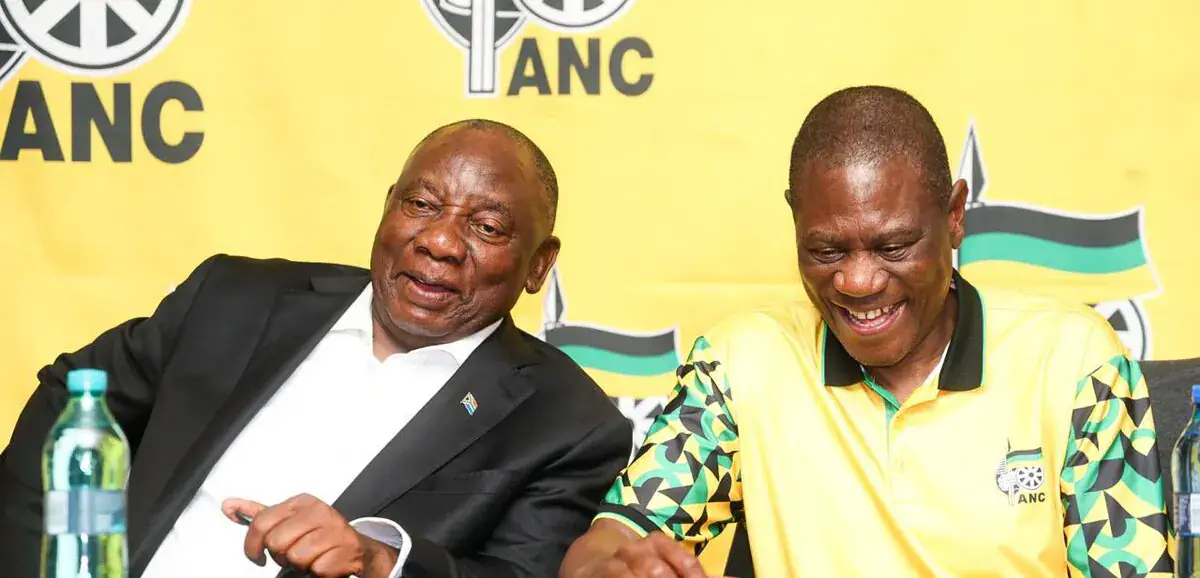
The African National Congress (ANC) has dismissed speculation about the resignation of its president, Cyril Ramaphosa, following a disappointing performance in the recent municipal elections. The party suffered its worst electoral result since 1994, securing only 31% of the vote, a significant decline from previous elections. ANC spokesperson Mahlengi Bhengu-Motsiri addressed the rumors, emphasizing that Ramaphosa would not be stepping down. The party's National Executive Committee (NEC) convened to assess the election outcome and strategize for future negotiations.
The ANC's poor showing in the municipal elections has raised concerns about the party's waning influence. The party's vote share has been steadily declining, with a 40% result in the 2024 national elections and a subsequent loss of parliamentary majority. The latest election results have been described as a "catastrophe" by the ANC's secretary general, highlighting the need for introspection and reform. The party's struggles have been attributed to various factors, including service delivery issues such as frequent power outages, water shortages, and inadequate housing.
Ramaphosa's leadership has come under scrutiny in the wake of the election results. However, the ANC has reaffirmed its support for the president, with Bhengu-Motsiri urging the public to disregard unfounded rumors about his potential resignation. The party's NEC meeting aims to chart a course for future negotiations, particularly in municipalities where no single party has secured a majority. The ANC will likely seek to form coalitions with other parties to maintain its influence at the local level.
The ANC's decline has created opportunities for opposition parties to gain traction. The Democratic Alliance (DA) has been a vocal critic of the ANC's governance, and the latest election results may further erode the ANC's support base. As the party navigates its way through the challenges, it will need to address the concerns of its constituents and develop effective strategies to regain their trust.
The ANC's struggles have also been linked to broader socioeconomic issues, including the legacy of apartheid and colonialism. However, the party's leadership recognizes that it must look beyond these factors and focus on delivering tangible improvements in service delivery and governance. The upcoming negotiations will provide an opportunity for the ANC to reassess its priorities and develop a more effective strategy for engaging with voters.
Cyril Ramaphosa's presidency has been marked by efforts to revitalize the ANC and address the country's socioeconomic challenges. Despite the recent setbacks, the party remains committed to his leadership, and Ramaphosa is expected to continue playing a key role in shaping the ANC's strategy. The party's ability to adapt to changing circumstances and respond to the needs of its constituents will be crucial in determining its future prospects.
The ANC's next steps will be closely watched by both domestic and international observers. As the party navigates its way through this challenging period, it will need to balance the need for reform with the imperative of maintaining its support base. The outcome of the NEC meeting and the party's subsequent actions will provide valuable insights into the ANC's future direction and its prospects for recovery.
Key points
- ANC dismisses speculation about Cyril Ramaphosa's resignation following poor election results
- Party's vote share declines to 31% in municipal elections, its worst result since 1994
- ANC to focus on negotiations and coalition-building in municipalities where no single party has secured a majority