The African National Congress (ANC) will hold a national working committee meeting followed by a national executive committee meeting to discuss its approach to coalition negotiations after the party's worst electoral performance yet. The party garnered 30.7% of the votes nationally, with the Democratic Alliance (DA), uMkhonto weSizwe (MK), and Economic Freedom Fighters (EFF) following with 24.24%, 9.76%, and 6.22% of the vote, respectively.
The ANC's national leadership will play a central role in determining which partnerships it pursues, with provincial and regional structures having limited autonomy in striking agreements. Secretary-general Fikile Mbalula stated that the national executive committee would determine the party's approach to coalitions, while ruling out any rush to secure positions at the expense of its political principles. The ANC has also indicated that it is prepared to sit in opposition where the terms of a coalition agreement do not meet its requirements.
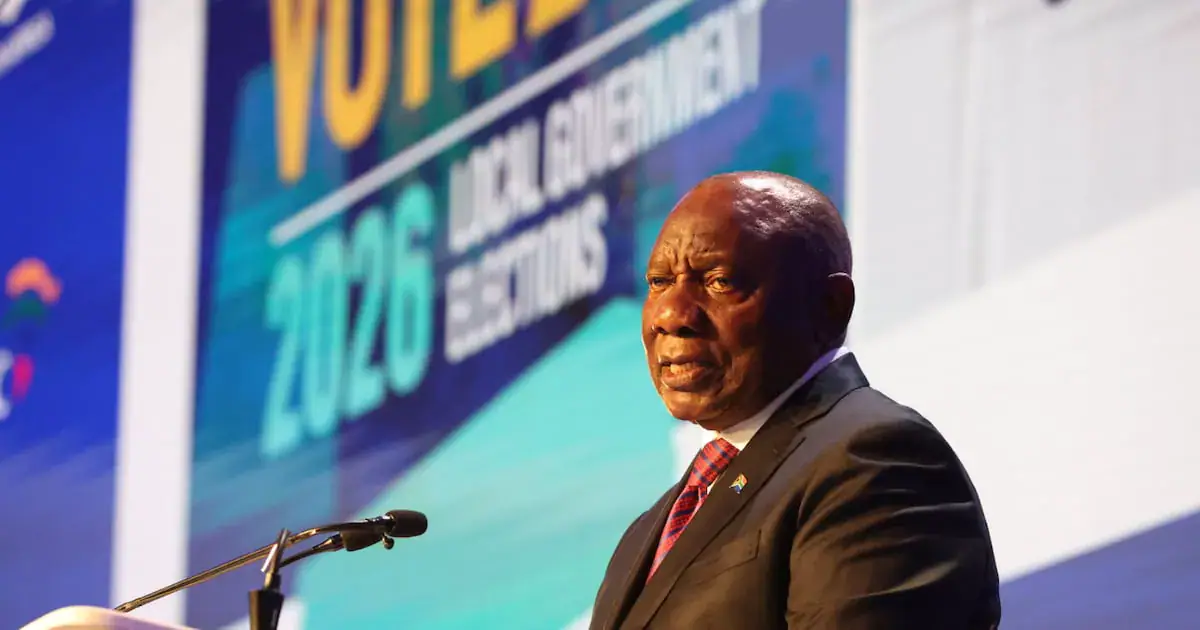
President Cyril Ramaphosa praised the elections, saying "Greater choice and competition is a sign of a strong democracy … to have our election declared free and fair is an incredible achievement." He emphasized that all who seek public office must be judged by one standard: whether they put public services first. The ANC's internal meetings will be among the first major tests of how it intends to exercise its diminished electoral mandate.
The DA's coalition discussions will be co-ordinated nationally under the federal executive's authority to ensure a consistent, principled approach countrywide. The party's federal council chair, Ashor Sarupen, stated that the DA would initiate discussions with parties that share a commitment to clean and accountable government, rooting out corruption, service delivery for all, the rule of law, and nonracialism.
The South African Communist Party (SACP) leader Solly Mapaila stated that the party would invite the ANC, EFF, MK, and other parties "of the left" to discuss possible coalition partnerships across the 138 hung municipalities. The negotiations will take place against a 14-day deadline for the new municipal councils to be finalised after the Electoral Commission of South Africa's declaration of the final results.
In key provinces and metros, particularly Johannesburg and KwaZulu-Natal, the election results have altered the balance of power. In Johannesburg, the ANC's regional structures have indicated a willingness to occupy the opposition benches rather than enter an arrangement that does not serve their interests. In KwaZulu-Natal, the ANC's provincial leadership has moved to centralise control of coalition negotiations.
The ANC has already begun preliminary engagements with potential coalition partners, including ActionSA. The party's national leadership is expected to determine which partnerships it pursues, with the ANC prepared to sit in opposition if the terms of a coalition agreement do not meet its requirements.
Key points
- The ANC's national leadership will meet to determine its approach to coalition negotiations after the party's worst electoral performance yet.
- The party's national working committee and national executive committee will discuss options for governing hundreds of hung municipal councils across South Africa.
- The ANC has indicated that it is prepared to sit in opposition where the terms of a coalition agreement do not meet its requirements.
Reporting sources
- ANC faces tough coalition talks after election setback · The Rand Daily Mail