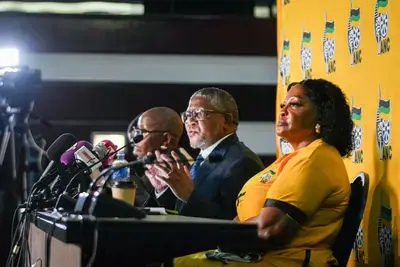
The African National Congress (ANC) struggled to convince voters in communities plagued by water shortages, electricity problems, and rising living costs, according to ANC secretary-general Fikile Mbalula. He acknowledged that these service delivery failures made it harder for the party to persuade residents to support it in the local government elections. Mbalula described volunteers going door-to-door to persuade residents to vote for the governing party, only to be confronted with complaints about basic services.
Mbalula said that in some areas, campaigners found it difficult to defend the ANC when residents were still struggling to access water and electricity. The rising cost of petrol and other household expenses had made the task even harder, with some people unable to afford to use their cars as frequently as they would like. He noted that these conversations were difficult for the party, with some residents expressing frustration and disappointment with the ANC's performance.
The ANC's struggles were reflected in the election results, with the party losing over 1,500 seats compared to the 2021 local government elections. Mbalula presented figures showing that the ANC had held 4,548 of 8,794 council seats, representing 51.7%, but based on the Electoral Commission's allocations, it held 3,040 of 8,825 seats, or approximately 34.5%. This decline has raised questions about the party's ability to rebuild trust with communities.
Mbalula attributed the ANC's decline to various factors, including internal divisions and disagreements over candidate selection. He acknowledged that some senior party leaders who had been deployed to campaign in particular areas were not visible on the ground, while volunteers and other members worked extensively to reach voters. Mbalula emphasized that the party needed to examine its campaign effectiveness and address organisational problems.
The ANC's immediate challenge is deciding how to govern municipalities where it no longer has an outright majority. Mbalula said the party would consider coalitions, confidence-and-supply arrangements, or remaining in opposition, depending on the circumstances in each municipality. He stressed that there were no formal coalition negotiations underway and that the ANC would not enter arrangements through informal deals or political horse-trading.
Deputy secretary-general Nomvula Mokonyane said the results would inform a broader process of organisational renewal. ANC branches would be expected to examine what went wrong in their respective wards and identify changes needed to improve service delivery and reconnect with communities. Mokonyane emphasized that the party's recovery ahead of the 2029 elections had to begin immediately.
Mbalula cautioned against offering quick solutions before the party had properly examined its performance. He said the ANC's leadership would conduct a detailed assessment of its campaign, internal organisation, coalition experiences, and the reasons voters had turned away before deciding on a way forward. The party's response will depend not only on its post-election review but also on whether residents begin to see a difference in the services they receive.
Key points
- The ANC's decline in the local government elections was attributed to service delivery failures, internal divisions, and disagreements over candidate selection.
- The party lost over 1,500 seats compared to the 2021 local government elections, with Mbalula presenting figures showing a decline from 51.7% to approximately 34.5%.
- The ANC will consider coalitions, confidence-and-supply arrangements, or remaining in opposition in municipalities where it no longer has an outright majority.
Reporting sources
- ANC admits service delivery failures hurt election campaign · Mail & Guardian