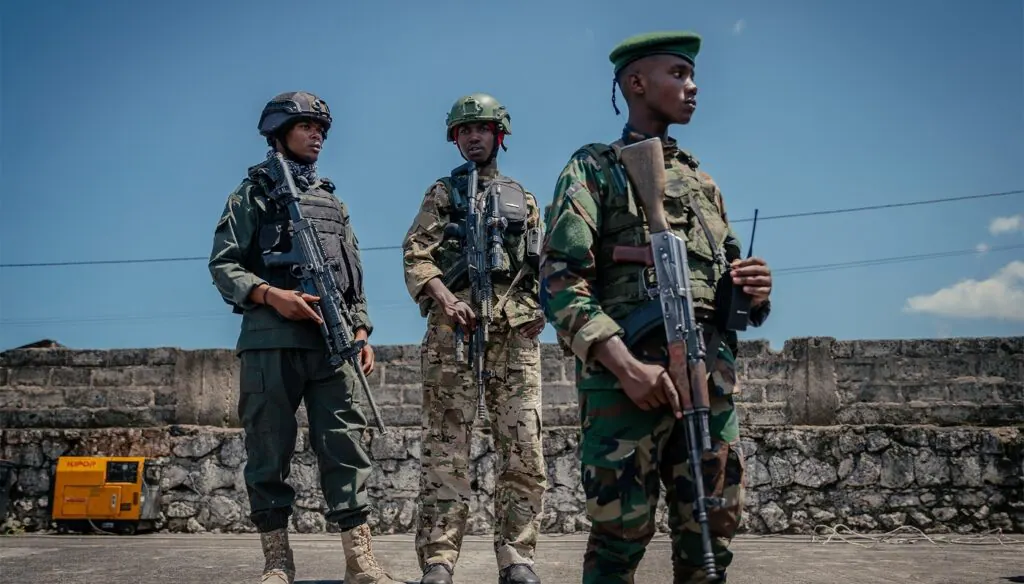
Amnesty International has released a report documenting 18 summary executions of artisanal miners in eastern Democratic Republic of the Congo. The executions, attributed to M23 rebels, occurred in Rubaya, North Kivu, and Lomera, South Kivu. According to Amnesty, the victims included minors, with some beaten to death, shot, or kidnapped and later found dead. The organization collected testimonies from 26 individuals, including miners, industry specialists, and relatives of the victims.
The report details the brutal treatment of the miners, with some victims suffering extreme physical abuse before being killed. One witness described finding a 22-year-old miner, Évariste, who was severely injured and covered in blood. Amnesty also analyzed photographs and videos from the mining sites to corroborate the testimonies. The organization believes these executions are not isolated incidents, as they also documented cases of torture, ill-treatment, and arbitrary detention in the same areas.
Amnesty International points out that the M23 rebels control the mining areas where the executions took place. The organization has called for those responsible to be held accountable, warning that the documented atrocities "could constitute war crimes." Amnesty also expressed concern about the use of makeshift detention cells, including three containers used as cells in Rubaya and underground cells called "ndake" holding over 20 minors.
The victims included minors and adults, with Évariste, a 22-year-old artisanal miner and father of a one-year-old, being one of the documented cases. Amnesty International's report is based on a thorough investigation, including field research and analysis of visual evidence. The organization's findings highlight the severe risks faced by artisanal miners in areas controlled by armed groups.
Amnesty International's report has sparked renewed concerns about human rights abuses in eastern DR Congo. The organization has urged all parties involved to take measures to ensure that those responsible for the executions and other abuses are brought to justice. According to Amnesty, the M23 rebels and Rwandan government officials did not respond to requests for comment on the allegations.
The report's release coincides with ongoing efforts to address insecurity and human rights abuses in eastern DR Congo. The situation in the region remains volatile, with multiple armed groups operating in the area. Amnesty's findings underscore the need for sustained international attention and action to protect civilians and hold perpetrators accountable.
The DR Congo government and international community have been urged to take concrete steps to prevent further abuses and ensure accountability for past crimes. Amnesty International's report serves as a reminder of the critical need to protect human rights and prevent atrocities in conflict-affected areas.
Key points
- Amnesty International documents 18 summary executions of artisanal miners by M23 rebels in eastern DR Congo.
- The executions were carried out in multiple ways, including beating, shooting, and kidnapping.
- Amnesty International calls for those responsible to be held accountable, warning that the documented atrocities "could constitute war crimes."