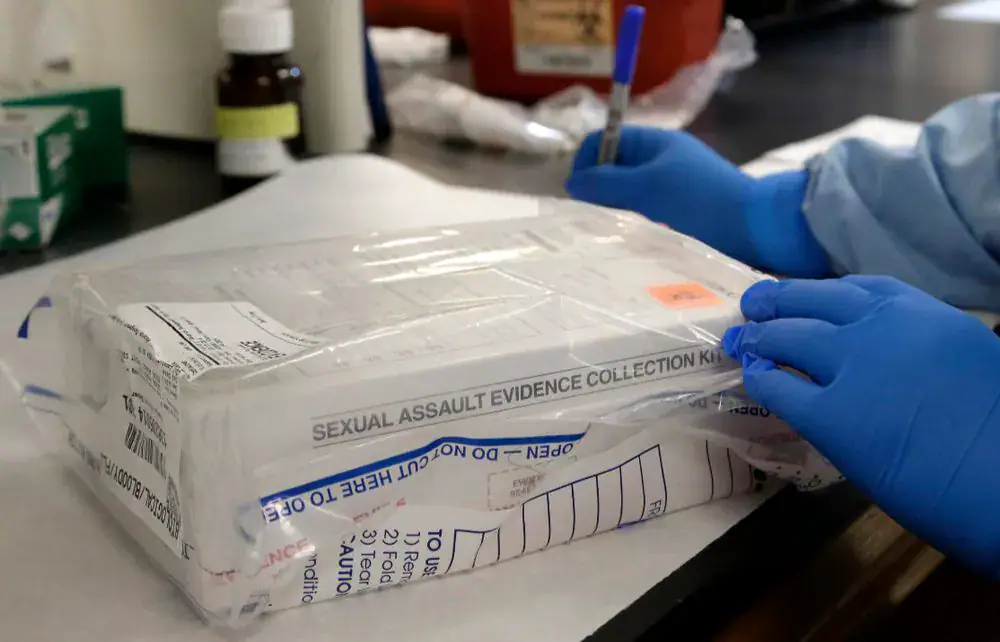
A recent report by Amnesty International South Africa has found that survivors of rape in South Africa are being denied justice due to failures in the policing and justice system. Despite reporting the crime, identifying the perpetrator, and undergoing forensic examinations, many cases do not proceed. The report, titled “I Shouldn't Have To Fight For Help”: Rape Case Attrition and Barriers to Justice for Survivors in South Africa, was based on interviews with survivors, NGOs, experts, and officials.
According to Amnesty International South Africa Executive Director Shenilla Mohamed, police are failing survivors, adding to their trauma and suffering. The report found that survivors experience difficulties when trying to lay a charge, with many being met by a police service that is under-resourced, poorly equipped, and insufficiently trained to respond effectively and sensitively to gender-based violence.
The report highlights the challenges faced by survivors when trying to report a rape case. At the charge desk, intake is not neutral, and identity-based disbelief can determine whether a case is even opened. One survivor reported being discouraged by a police officer from opening a case against their spouse, with the officer expressing concern about the impact on the spouse rather than the survivor.
Procedural incapacity and administrative breakdown are also major issues, with charge desks staffed by officers with limited literacy or unfamiliarity with GBV intake protocols. This leads to incorrect recording of statements, misfiling of dockets, and survivors being told to return the next day to file a case. These failures re-traumatise survivors, impose financial and safety burdens, and contribute to impunity for sexual violence.
Investigations of rape cases are also a challenge, with problems with follow-up and detectives not pursuing leads provided by survivors. Survivors have reported detectives promising action but not following through, with one case being closed due to lack of evidence despite the survivor providing details of the alleged attacker.
The report notes that while South Africa has good policies to protect survivors of sexual violence, there is a persistent gap between these commitments and their implementation in practice. Amnesty recommends that SAPS strengthen its specialised sexual offences investigation capacity and develop minimum staffing norms for Family Violence, Child Protection and Sexual Offences Units.
Amnesty also calls for improved evidence management, communication between police and survivors, and maintenance of Victim Friendly Rooms at police stations. The organisation emphasises that these changes are necessary to ensure that survivors of rape receive the justice they deserve and that perpetrators are held accountable for their crimes.
Key points
- Survivors of rape in South Africa face significant barriers to justice due to failures in the policing and justice system.
- The report highlights the need for improved training and resourcing of police to respond effectively to gender-based violence.
- Amnesty recommends that SAPS strengthen its specialised sexual offences investigation capacity and develop minimum staffing norms for Family Violence, Child Protection and Sexual Offences Units.