Liberian Thanksgiving, celebrated on the first Thursday of November, has its roots in the American Colonization Society's establishment of the country in the 19th century. The society, founded by Black Americans, brought the Thanksgiving Day tradition to Liberia. Over time, the holiday evolved in response to national events, including Liberia's independence in 1847 and British attempts to take territory.
In 1883, President Alfred Francis Russell, an Episcopalian priest, called upon God to protect Liberia from British incursions. The legislature officially established Thanksgiving as a national holiday that year, steeping it in religious gratitude. Yvonne Capehart Weah, from Liberia, describes the holiday as giving thanks to God for freedom, divine protection, unity, and the harvest.
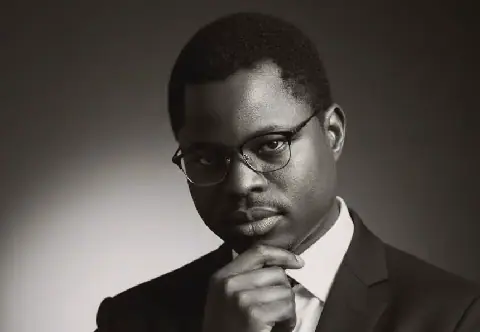
Liberian Thanksgiving is a sacred day for people of all faiths. Weah's family celebration starts at church, while Muslims attend mosques. Sekou Muhammad Sheriff, a YouTuber showcasing Liberia's cultural heritage, recalls childhood Thanksgivings when his father bought him a new outfit. Sheriff enjoyed eating different stews, including one made with sweet potato leaves and another with snails.
The mid-afternoon meal on Liberian Thanksgiving varies from household to household. Weah's family serves chicken, jollof rice, watermelon, pineapple, and various stews, including fufu and soup. This mix of cassava, fish, chicken, okra, and chili pepper makes the soup tasty and is a required dish at every Thanksgiving.
This year, Sheriff couldn't host Thanksgiving due to limited resources. However, he remains thankful for his health and Liberia's peace after civil conflict. Weah is also grateful, thanking God for her past, present, and future. As program manager at the We-Care Foundation, an education nonprofit, Weah teaches children literacy, believing informed adults will make better decisions.
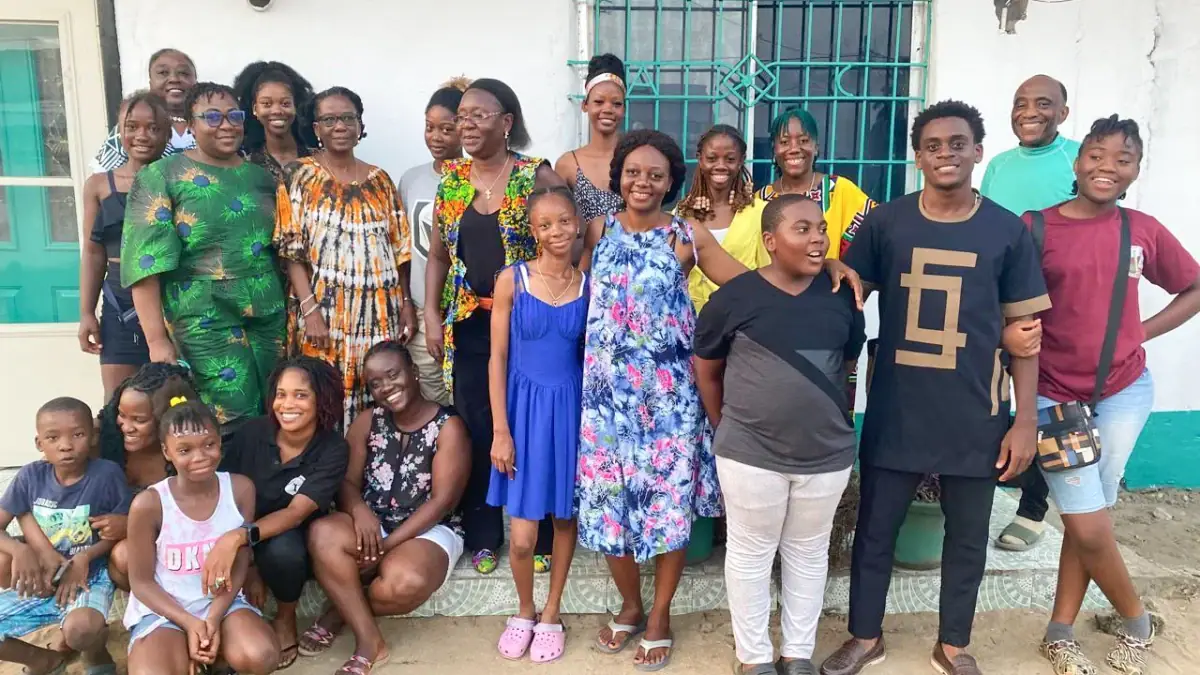
Liberian Thanksgiving has become an integral part of the country's identity. Weah's family gathers outdoors under a tree due to the large number of attendees. The celebration has become a party-like atmosphere, with people coming together to give thanks and enjoy each other's company.
The evolution of Liberian Thanksgiving reflects the country's history and cultural heritage. From its American roots to its current blend of national identity and gratitude, the holiday remains a significant event in Liberia. Key points include the holiday's origins in the 19th century, its evolution in response to national events, and its current celebration as a day of gratitude and unity.
Key points
- Liberian Thanksgiving originated from American tradition in the 19th century.
- The holiday has evolved in response to national events, including Liberia's independence and British attempts to take territory.
- Liberian Thanksgiving is a day of gratitude and unity, celebrated by people of all faiths.