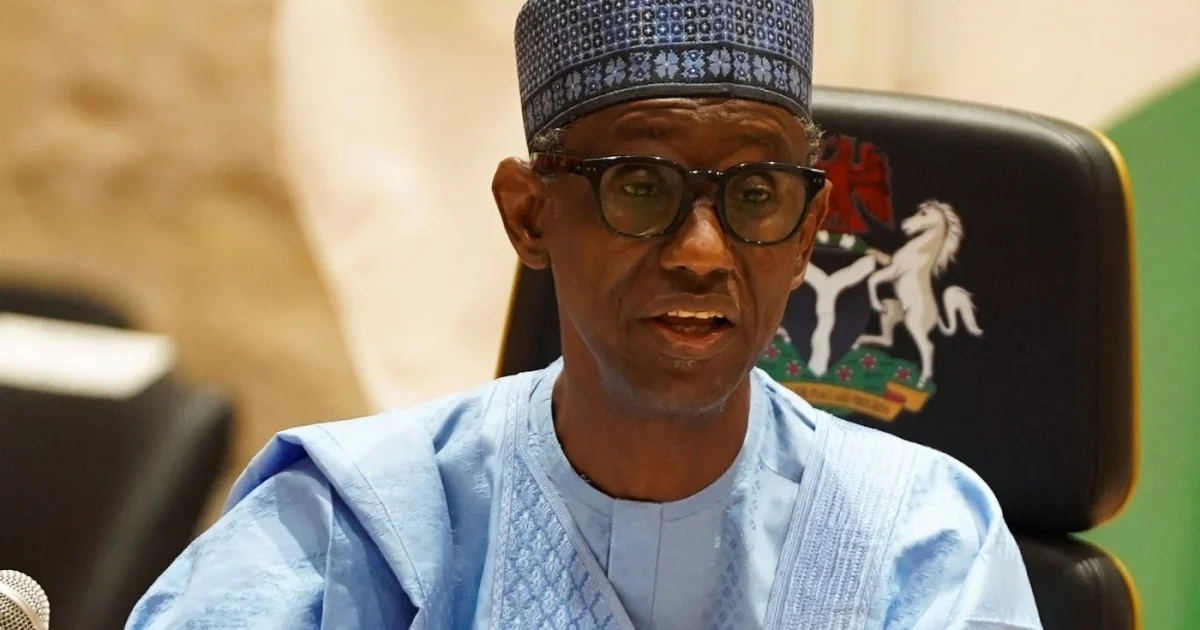
Ayoola Babalola, writing for The Punch, reported on September 21, 2026, that Kolawole Olaniyan, legal adviser at Amnesty International's International Secretariat, expressed concerns over the N100m defamation judgment against the Socio-Economic Rights and Accountability Project. Olaniyan noted that SERAP had previously defended Nuhu Ribadu, the former Economic and Financial Crimes Commission chairman, when he faced persecution for his anti-corruption activities. This contrast was highlighted in Olaniyan's opinion article titled "When the state turns the law against dissent under Tinubu's watch."
In 2008, SERAP campaigned against Ribadu's removal as EFCC chairman by the late President Umaru Yar'Adua administration. The organization condemned the decision, petitioned the United Nations, and threatened legal action over his replacement. After Ribadu survived assassination attempts, SERAP demanded an investigation and protection for his life. In 2009, Ribadu became the inaugural recipient of the Civil Society Anti-Corruption Defender Award, an initiative that recognized activists and civil society organizations fighting corruption.
The Wole Soyinka Centre for Investigative Journalism confirmed that Ribadu received the award for his courage and commitment to fighting corruption, as well as the persecution he suffered from Nigerian authorities. Recently, SERAP faced a N100m defamation judgment in favor of two Department of State Services officials, with Ribadu serving as National Security Adviser in the same administration. The judgment was delivered by Justice Yusuf Halilu on May 5, 2026, after SERAP alleged that DSS operatives unlawfully occupied its Abuja office.
The Federal Capital Territory High Court in Abuja found SERAP liable for defamation and awarded N100m in damages to the two officials. The court also ordered SERAP to publish apologies, pay N1m in litigation costs, and 10 percent annual post-judgment interest on the damages. SERAP has appealed the judgment, describing it as legally and procedurally flawed. The organization challenged the court's treatment of the parties, the evidence relied upon, and the application of principles of defamation law.
The DSS has distanced itself from the suit, stating that it was a personal action by the two officials, Sarah John and Gabriel Ogundele. The agency claimed that an internal investigation was conducted and that the officers obtained approval from the Director-General of the DSS before seeking legal redress. Olaniyan described the development as striking, given SERAP's previous role in defending Ribadu against government pressure.
Olaniyan's article raised broader questions about the relationship between security institutions and civil society organizations under the Tinubu administration. He noted that the DSS is now "weaponising the judicial system against SERAP and other critics." President Tinubu had previously stated that Nigerians should not suffer injustice for writing a bad report about him or calling him names, highlighting the contrast between his remarks and the growing use of security and legal mechanisms against critics.
The case has sparked concerns about the use of security and legal mechanisms against civil society organizations and critics of the government. Olaniyan's article placed the SERAP case alongside other disputes involving the DSS and critics of the government, including its legal challenge to Prof Pat Utomi's proposed "shadow government" and the cybercrime prosecution of activist Omoyele Sowore.
Key points
- Amnesty International's legal adviser criticizes N100m judgment against SERAP.
- SERAP had previously defended ex-EFCC chairman Nuhu Ribadu against government pressure.
- The judgment has sparked concerns about the use of security and legal mechanisms against civil society organizations and critics of the government.