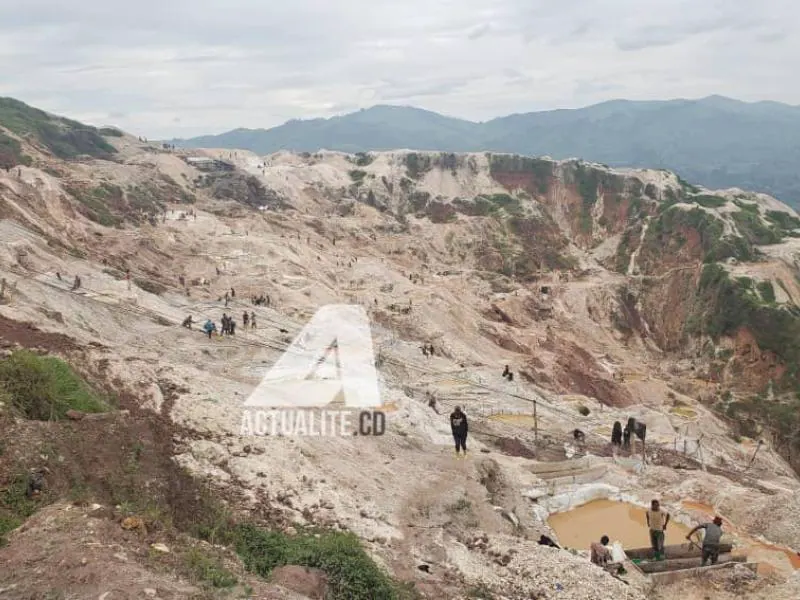
Amnesty International has documented severe human rights abuses in mining sites in Rubaya, North Kivu, and Lomera, South Kivu, controlled by the M23 rebel group in the Democratic Republic of the Congo. The organization gathered information from 26 individuals, including artisanal miners, mining industry specialists, well owners, and victims' families. Their research team analyzed photos and videos of the mining sites. According to Amnesty International, the M23 controls dozens of artisanal mines in North Kivu and South Kivu provinces.
The mining sites are crucial for the livelihoods of tens of thousands of people, but access is closely monitored, and they are not subject to independent international inspections. Amnesty International found that Rwandans are present in the Rubaya and Lomera sites, with some playing a dual role as civilian miners or well managers and participating in hostilities alongside M23 fighters. The organization's research indicates that guards, some identified as Rwandans, collaborate with the M23 and abuse miners.
Amnesty International's Secretary General, Agnès Callamard, urged the African Union and its member states to strengthen their response to the alleged mineral trafficking and related human rights abuses. She emphasized that the international community must take more robust measures to stop the pillage of critical African minerals. The organization's report recommends that states and enterprises cease buying coltan and gold from Rwanda or third-party countries that purchase these minerals from Rwandan suppliers.
The report also calls on states and enterprises to stop buying coltan and gold from Rwanda until the Rwandan government provides concrete evidence that it no longer receives illegally transported minerals from the DR Congo. Amnesty International demands that the US and EU member states do not engage in mining agreements with the M23-controlled Rubaya mine or other mines in the DR Congo until international human rights observers and independent monitoring organizations can access these sites freely.
The new report comes amid ongoing diplomatic efforts to restore peace in eastern DR Congo, but the situation remains challenging. Despite initiatives led by Washington between Kinshasa and Kigali, as well as the Doha process involving Kinshasa and the AFC/M23, the conflict persists. Parties to the conflict continue to accuse each other of not respecting commitments made in these diplomatic initiatives.
The situation on the ground remains volatile, with frequent clashes and human rights abuses reported. Amnesty International's report highlights the need for the international community to take concrete actions against those responsible for alleged human rights abuses in the mining areas. The organization stresses that the silence of the international community in the face of M23 atrocities and mineral trafficking only encourages further abuses.
Amnesty International's report concludes that the exploitation of minerals by the M23 constitutes an act of pillage, considered a war crime. The organization calls for urgent action to address the human rights abuses and mineral trafficking in the DR Congo's conflict zones. The situation requires a concerted effort from the international community to hold those responsible accountable and ensure that the rights of affected communities are protected.
Key points
- Amnesty International urges states and enterprises to cease buying coltan and gold from Rwanda until it provides evidence that it no longer receives illegally transported minerals from the DR Congo.