Amnesty International has released a report detailing human rights abuses committed by the M23 in two mining sites in the Democratic Republic of Congo. The report, titled "DRC: We're not here to play - Human rights abuses by M23 in artisanal mines and trafficking of gold and coltan to Rwanda," documents summary executions, torture, arbitrary detention, forced labor, and forced recruitment. The abuses were committed against miners and other individuals present at the sites.
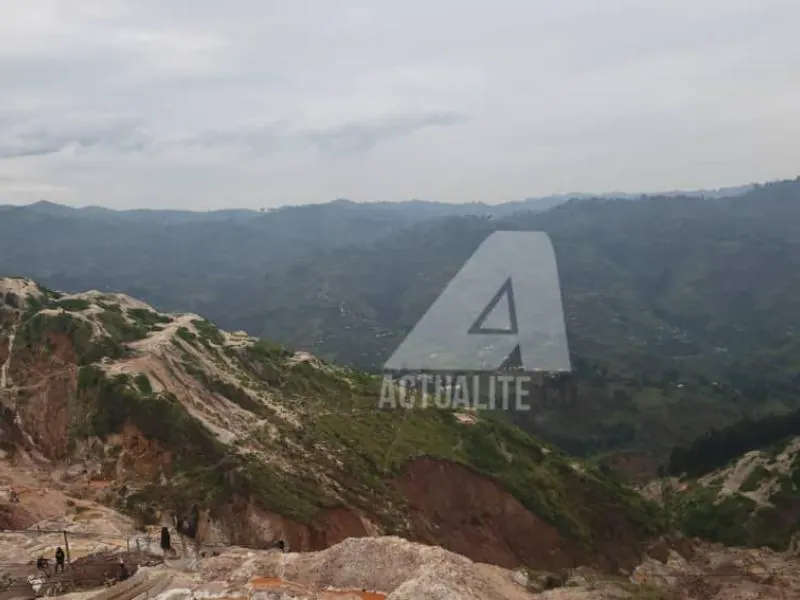
The report focuses on a coltan mine near Rubaya and a gold mine in Lomera. According to Amnesty International, the M23's actions constitute a serious breach of international human rights law. The organization emphasizes that companies involved in the mineral supply chain have a responsibility to respect human rights. This responsibility extends beyond those directly involved in extraction to all those contributing to the supply chain.
Amnesty International's Secretary General, Agnès Callamard, has urged companies buying minerals from Rwanda to take note of the report's findings. She stated that the brutality of the crimes exposed must serve as a warning to these companies. The minerals, likely imported illegally from the DRC, are linked to human rights abuses committed by the M23, which is supported by Rwanda.
The report highlights the need for companies to be aware of the risks of contributing to human rights abuses. Callamard emphasized that companies cannot claim ignorance of the facts documented. She also noted that companies can be held criminally liable for complicity in war crimes. The report's release comes amid ongoing diplomatic efforts to bring peace to eastern DRC.
Despite initiatives led by Washington and the Doha process, peace efforts have yet to yield significant results. The parties to the conflict continue to accuse each other of failing to respect commitments made under these initiatives. The situation on the ground remains volatile, with human rights abuses continuing to be reported.
The Amnesty International report serves as a reminder of the need for companies to prioritize human rights in their operations. The organization is calling on companies to take responsibility for their actions and ensure that their activities do not contribute to human rights abuses. This includes conducting thorough due diligence on their supply chains.
The report's findings have significant implications for companies involved in the mineral trade. It highlights the need for greater transparency and accountability in the supply chain. Companies must take concrete steps to address the risks of human rights abuses and ensure that their activities respect the rights of all individuals affected.
Key points
- Companies buying minerals from Rwanda may be contributing to human rights abuses committed by the M23 in DRC mines.
- Amnesty International is urging companies to take responsibility for their actions and ensure that their activities respect human rights.
- The report's release comes amid ongoing diplomatic efforts to bring peace to eastern DRC, where human rights abuses continue to be reported.