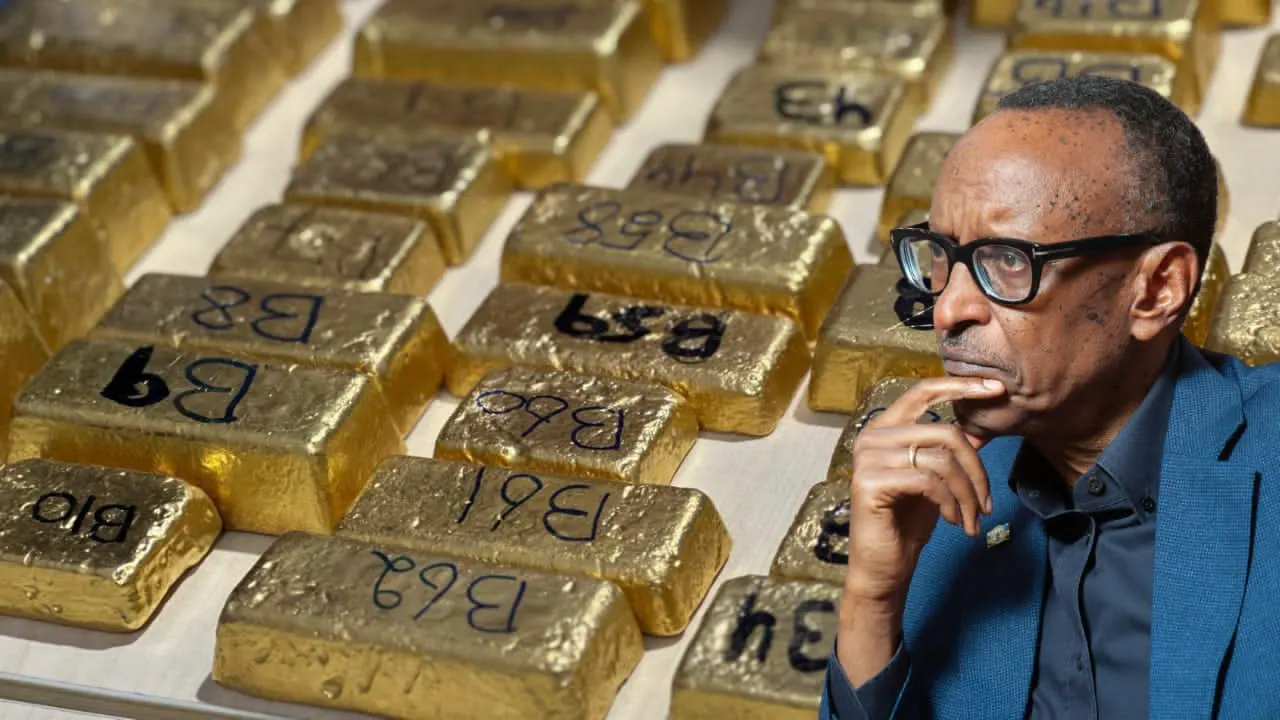
A recent report by Amnesty International has shed light on the illicit trafficking of minerals, including gold and coltan, from areas controlled by the M23 in eastern Democratic Republic of the Congo. The report, published on September 21, 2026, reveals that minerals extracted from mining sites in the region are being smuggled into Rwanda. According to the organization, this smuggling operation involves the transportation of gold and coltan from sites such as Lomera in South Kivu and Rubaya in North Kivu.
Amnesty International has documented evidence of smuggling networks connecting the Lomera gold site in Kabare territory, South Kivu, to Rwanda. The organization gathered testimonies from miners and other industry actors, which describe the transportation of gold-bearing soil, contained in sacks called "robotas," by boat to the neighboring country. A miner interviewed by Amnesty International stated that the minerals extracted from Lomera were transported to the lake and then loaded onto small boats bound for Rwanda.
The report also highlights the trafficking of coltan extracted from the Rubaya area in North Kivu. Amnesty International estimates that the significant quantities of minerals being smuggled into Rwanda could implicate various actors involved in this chain. The organization further analyzes the situation from a legal perspective, suggesting that the pillage of gold and coltan by the M23 could constitute a war crime. Additionally, the participation of Rwandan nationals or officials in the trafficking could engage their criminal responsibility if the conditions provided by international law are met.
In response to these findings, Amnesty International is calling on states and companies to cease purchasing gold and coltan from Rwanda until Kigali provides concrete guarantees regarding the origin of these minerals. The organization also urges Rwandan authorities to ensure that no Rwandan armed actors are present or involved in mining activities in Rubaya and Lomera. This appeal aims to pressure Rwanda into taking action to prevent the illicit trade and ensure that minerals are sourced responsibly.
The report by Amnesty International adds to the ongoing concerns about the exploitation and trade of minerals in conflict-affected areas of the Democratic Republic of the Congo. The situation in eastern DRC, where various armed groups are active, has long been a subject of international attention due to the humanitarian crises and economic interests at stake. The involvement of the M23 and other groups in mineral trafficking has been a particular point of contention.
The accusations against Rwanda may strain diplomatic relations between the DRC and Rwanda, which have historically been complex. Rwanda has previously denied involvement in the exploitation of Congolese resources. The international community's response to Amnesty International's findings will be crucial in determining the next steps. This includes potential sanctions or other measures to ensure that Rwanda takes concrete actions to address the smuggling.
The issue of mineral trafficking in the region remains a significant challenge for both local and international stakeholders. Ensuring that minerals are mined and traded responsibly is essential for peace and stability in the region. Amnesty International's report underscores the need for greater transparency and accountability in the global supply chain of minerals.
Key points
- Amnesty International implicates Rwanda in the smuggling of gold and coltan from M23-controlled areas in eastern DRC.
- The organization calls for states and companies to stop buying gold and coltan from Rwanda until the origin of these minerals is guaranteed.
- The trafficking of minerals could amount to war crimes and engage the criminal responsibility of those involved.