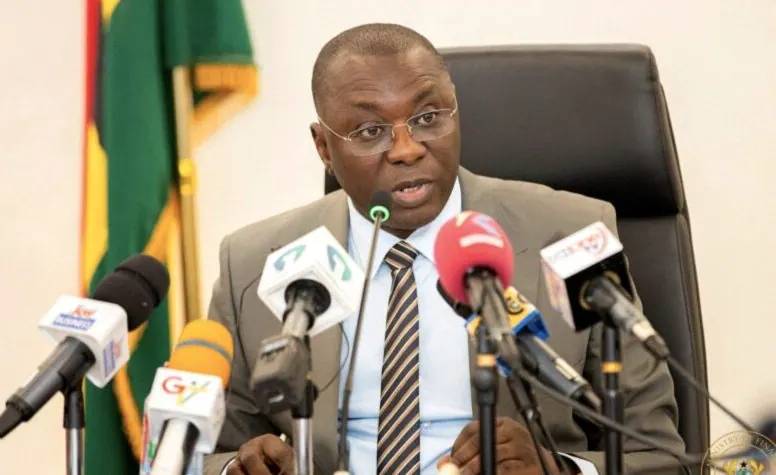
Despite a government-ordered GH₵2 cut in diesel prices, fuel costs remain high in Ghana. According to Dr. Mohammed Amin Adam, Ranking Member on Parliament's Finance Committee and a former Finance Minister, diesel prices at the pump are still hovering between GH₵17.55 and GH₵18.99. He argued that the relief motorists and businesses were promised has been quietly eroded by new taxes on fuel. President John Dramani Mahama had directed a GH₵2 reduction in the regulatory margin on diesel, effective August 4, 2026.
The regulatory margin is one of several components that make up the final pump price of fuel in Ghana. Dr. Amin Adam said that even with the GH₵2 cut in place, half of that amount has effectively been cancelled out by a GH₵1-per-litre levy the government subsequently imposed on fuel. This new levy has significantly reduced the impact of the price cut. As a result, motorists and businesses are not feeling the full benefit of the government's efforts to cushion them against high fuel costs and inflationary pressure.
Dr. Amin Adam also pointed to recent increases in levies on fuel oil, which he said had pushed up costs for industries and power producers that depend on the product. These increased costs could have far-reaching effects on the economy, particularly for businesses that rely heavily on diesel for haulage, generators, and machinery. Furthermore, Dr. Amin Adam linked continuing pressure at the pumps to the cedi's depreciation, noting that the local currency had weakened by 12 percent year-to-date.
The depreciation of the cedi is a significant factor in the high fuel costs, as Ghana imports its petroleum products and pays for them in foreign currency. A weaker cedi raises the domestic cost of fuel, regardless of any local tax relief. Dr. Amin Adam emphasized that a comprehensive government intervention is needed to review all taxes and levies on petroleum products, not just the diesel margin. He suggested that the government could look at suspending or scrapping some of the recent hikes in fuel-related levies.
Rather than another one-off price cut, Dr. Amin Adam is pushing for a broader review of fuel taxes. He pointed to similar measures taken under the previous NPP administration as a precedent. This approach could provide more substantial relief to motorists, transport operators, and businesses that rely on diesel. A comprehensive review would also help to address the underlying factors driving high fuel costs in Ghana.
The high fuel costs have significant implications for Ghanaian drivers, transport operators, and businesses. The gap between the announced GH₵2 relief and what is actually showing up at the pump means the cost of doing business remains elevated. Industries and power producers that use fuel oil face similar exposure, which could feed into the broader cost of goods and electricity generation. This situation highlights the need for a more effective government intervention to address the root causes of high fuel costs.
It remains to be seen whether the government will respond to Dr. Amin Adam's call for a review of fuel levies or plan any adjustments to the levies he has flagged. No timeline has been given for either a government response or a possible adjustment to the levies. The situation will continue to be monitored, and any developments will be reported as more information becomes available.
Key points
- Dr. Amin Adam says the new GH₵1 levy has cancelled out half of the government's GH₵2 diesel price cut.
- The cedi's 12% year-to-date depreciation has contributed to high fuel costs in Ghana.
- Dr. Amin Adam is calling for a comprehensive review of all taxes and levies on petroleum products.