The Association of Licensed Telecommunications Operators of Nigeria (ALTON) has called on state governments to abolish right-of-way charges for telecommunications infrastructure. This move aims to encourage network expansion into underserved communities. According to ALTON Chairman, Engr. Gbenga Adebayo, the charges significantly increase the cost of deploying fibre-optic cables, discouraging investment in areas where operators might struggle to recover their costs.
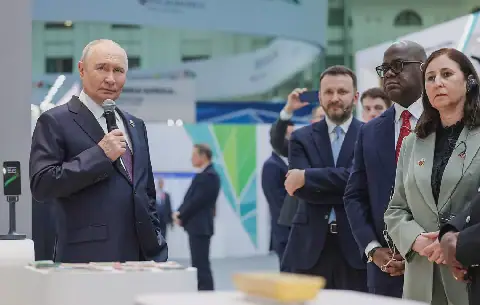
Right-of-way refers to the permission granted to telecommunications operators to access and use public or private land, roads, and other designated spaces to install fibre-optic cables and other network infrastructure. Adebayo made the call on the sidelines of a plenary session sponsored by IHS Nigeria at the 2026 Nigerian Economic Summit in Abuja. He stated that right-of-way charges account for between 50 and 60 per cent of the cost of deploying a kilometre of fibre-optic cable in some states.
Adebayo argued that removing the charges would encourage operators to extend their networks to communities with poor or no connectivity, helping to bridge Nigeria's digital divide. He called for legislation to make right-of-way for telecommunications infrastructure free, particularly in rural communities and locations with limited commercial prospects. This, he believes, would support the growth of the digital economy.
The ALTON chairman also suggested that the government could introduce incentives for operators willing to invest in areas where expected revenue might not justify the cost of infrastructure deployment. He urged stakeholders to identify communities with connectivity gaps and deploy available government intervention funds to support expansion. The Universal Service Provision Fund is one such intervention fund designed for special intervention in areas lacking coverage.
Adebayo rejected the perception that operators were unwilling to invest in rural communities, arguing that appropriate incentives and targeted government support could make such investments more viable. He emphasized that beyond expanding coverage, Nigeria needed greater investment in fibre-optic cables, telecommunications sites, and network capacity to improve service quality and prepare for emerging technologies like artificial intelligence (AI).
The Nigerian Economic Summit brought together government officials, business leaders, policymakers, and development partners to discuss investment, infrastructure, and strategies for Nigeria's economic development. Other speakers at the summit included Chairman of the Senate Committee on ICT and Cybersecurity, Shuaib Salisu, who disclosed that the National Digital Economy and E-Government Bill had reached its third reading. The bill aims to support the growth of the digital economy.
The summit also featured remarks from Chargé d’Affaires of the United States Mission in Abuja, Jimmy Mauldin, who called for stronger investment partnerships between Nigeria and the United States. He identified digital infrastructure, energy, manufacturing, agriculture, critical minerals, and financial services as areas with opportunities for deeper collaboration. Mauldin emphasized the need for predictable policies, respect for contracts, efficient trade procedures, and improved security to sustain investment.
Key points
- ALTON urges state governments to abolish right-of-way charges for telecom infrastructure.
- The charges account for 50-60% of the cost of deploying fibre-optic cables in some states.
- Removing the charges would encourage operators to extend networks to underserved communities.