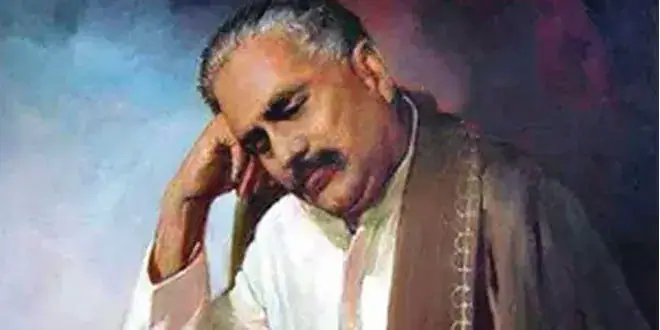
Dr. Sir Mohammad Iqbal, a renowned philosopher, poet, and reformer, had a profound interest in the moral and intellectual development of youth. Through his poetry in Urdu and Persian, he conveyed his message, urging for an educational system that fosters growth, rather than stifling individual thought. Iqbal's work continues to inspire generations, offering a vision for education that prioritizes self-realization, creativity, and service to others.
Iqbal critiqued the colonial educational system, which aimed to produce clerks and petty accountants, alienating students from their languages and culture. He argued that this system perpetuated passive individuals, rather than nation-builders. This legacy continued even after independence, with many countries adopting similar curricula. However, efforts to upgrade the system, such as the I.B. Montessori and Socratic method, have been made, albeit with limited accessibility.
Iqbal also condemned traditional schools of religious learning, which stifled individual thought and vision through rigidity. He believed that these institutions taught religion as fear, rules, and rituals, killing the spirit, self-confidence, and passion for critical thinking. In contrast, Iqbal advocated for education that builds selfhood, courage, and creativity, emphasizing the harmonious development of the heart and reason.
Central to Iqbal's philosophy is the concept of self-realization, which he termed "Khudi." He believed that knowledge must lead to creation, action, and service to fellow beings, not just academic degrees. Iqbal encouraged the pursuit of excellence in higher education but did not favour elitism, emphasizing the need for technical education for the majority of youth to achieve economic independence and national prosperity.
In his official recommendations for educational policy in pre-partition India, Iqbal stressed the importance of technical education, refusing the offer of the Vice-Chancellorship of the Aligarh Muslim University. He believed that the need of the hour was skilled technicians and artisans, rather than cohorts of B.A. degree holders for government jobs. This practical approach is reflected in his poetry, where he likens himself to a stone-breaker, not a glass-blower.
Iqbal's vision for education is symbolized by the "shaheen," a peregrine falcon, which represents self-respect, dignity, self-reliance, and high aspiration. He exhorts young people to acquire these qualities, urging them to soar and lead the world. His poetry continues to inspire, offering a powerful call to action in an era of A.I and rote learning.
As Dr. Abdullah H. Salehmohamed notes, Iqbal's work remains a source of inspiration, and his call for a falcon-like education is more urgent than ever. His philosophy offers a timely reminder of the need for education that fosters creativity, critical thinking, and service to others, rather than mere academic achievement.
Key points
- Dr. Sir Mohammad Iqbal's philosophy on education emphasizes selfhood, courage, and creativity.
- Iqbal critiqued the colonial educational system and traditional schools of religious learning.
- His vision for education is symbolized by the "shaheen," a peregrine falcon, representing self-respect, dignity, and high aspiration.