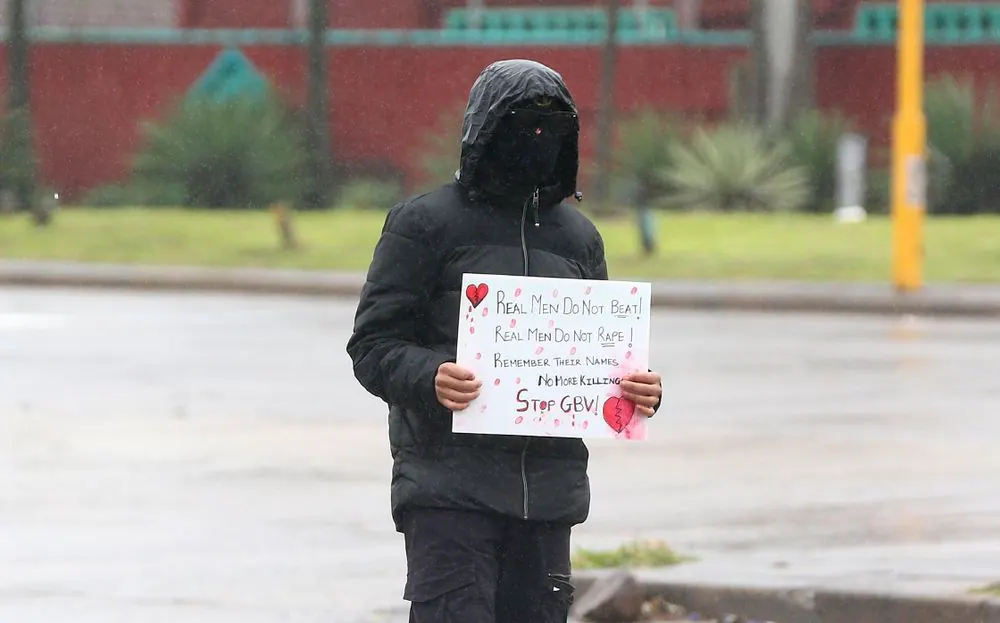
More than three decades after surviving a brutal attack, Alison Botha has spoken out again about the ongoing crisis of gender-based violence in South Africa. In 1994, Botha was abducted, raped, and stabbed multiple times in Port Elizabeth. Her attackers, Frans du Toit and Theuns Kruger, were convicted and sentenced to life imprisonment in 1995. Despite her ordeal, Botha has become a prominent advocate for GBV awareness. She has now questioned whether enough has changed since she first began speaking publicly about her experience.
The latest incident sparking Botha's comments is the discovery of nine women's bodies in Ekurhuleni since July. The bodies were found across various areas, including Kempton Park, Clayville, and Olifantsfontein. Acting Police Minister Firoz Cachalia announced that eight of the nine victims had been identified, with families of seven informed at the time. The police have launched a multidisciplinary investigation into the deaths, examining possible links between the cases. The killings have sparked fear among women and anger from communities demanding answers.
Botha's message comes as a painful reminder that violence against women remains a reality in South Africa. She reflected on her experience and the fight to raise awareness about GBV, hoping to inspire change. However, over 30 years later, Botha believes the crisis has worsened. The Human Sciences Research Council's national GBV study found that more than one in three South African women aged 18 and older had experienced physical and/or sexual violence in their lifetime.
Botha questioned the level of urgency surrounding GBV, comparing it to the measures taken during the Covid-19 pandemic. She noted that the country recorded a less than 5% Covid-19 fatality figure during the early stages of the pandemic. In contrast, women face a more than 33% risk from GBV. Botha expressed frustration that despite the severity of the crisis, women are still expected to take precautions to protect themselves, such as avoiding walking or running alone in certain areas.
The police have appealed to the public for information that could assist investigators. Two women and a man have been arrested for the Dawn Park murder, one of the nine cases. However, authorities have not confirmed that a single perpetrator or group is responsible for all nine deaths. Botha argued that temporary measures to protect women cannot become a permanent solution to the problem.
Botha's comments have sparked renewed calls for action to address GBV. She urged leaders to make impactful, long-lasting, and real change to protect women. The killings in Ekurhuleni have intensified fears of a possible serial killer, with similarities between some cases prompting police warnings to residents. The government has faced criticism for its handling of the GBV crisis.
For Botha, the latest killings have brought a painful question back to the surface: how many more women have to die before meaningful change is made? Her message was one of solidarity with women who continue to live with the fear of violence. Botha stood with women across South Africa, urging leaders to take action to address the GBV crisis.
Key points
- Alison Botha, a survivor of a horrific 1994 attack, has spoken out about the ongoing crisis of gender-based violence in South Africa.
- Nine women's bodies have been found in Ekurhuleni since July, sparking fear and anger among communities.
- Botha has questioned the sense of urgency surrounding GBV, calling for impactful, long-lasting, and real change to protect women.