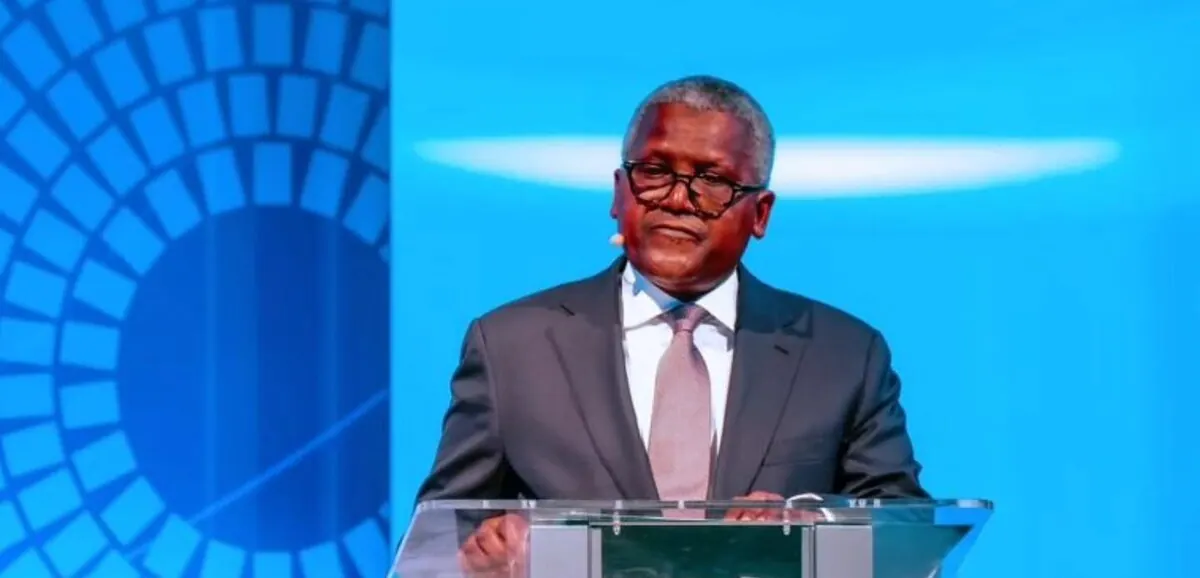
Nigerian billionaire Aliko Dangote has expressed optimism that most African countries will be self-sufficient in meeting their fuel needs through local production by 2030. He made this statement in Nairobi on the eve of the launch of a new refinery project in Kenya. Dangote's company, the Dangote Group, has already commissioned the largest refinery on the continent in Nigeria in 2024 and is set to begin construction of another in Kenya.
The Dangote Group is embarking on a $16 million project to build a refinery with a capacity of 700,000 barrels per day in Lamu, on the north-east coast of Kenya. The construction is expected to last 30 months, with Dangote laying the foundation stone on Wednesday, 30 September. The new refinery aims to reduce Africa's reliance on imported fuels, with the continent currently importing the bulk of its fuel needs despite being a significant producer of crude oil.
According to Dangote, the problem lies in the fact that Africans export raw materials, often at a fraction of their value, and then import finished products at full value. He argues that this approach leads to job losses, as Africans export employment opportunities abroad and import poverty by not creating jobs locally. Dangote believes that by producing fuels locally, African countries can retain value and create employment opportunities.
The African continent is currently heavily reliant on imported fuels, despite being home to significant oil-producing countries. Dangote's vision is to change this dynamic by increasing local production of fuels. With the Dangote Group's existing refinery in Nigeria and the new project in Kenya, the company is poised to play a significant role in meeting Africa's fuel needs.
Dangote's prediction of self-sufficiency in fuel production by 2030 is based on the increasing investment in local refining capacity. The new refinery in Kenya will not only meet Kenya's fuel needs but also supply other East African countries. The project is expected to have a positive impact on the regional economy and reduce reliance on imported fuels.
The launch of the new refinery project in Kenya is a significant milestone in Dangote's efforts to increase local fuel production in Africa. The project is expected to create jobs, stimulate economic growth, and reduce Africa's reliance on imported fuels. With most African countries currently importing the bulk of their fuel needs, Dangote's vision of self-sufficiency by 2030 is a welcome development.
As Dangote prepares to lay the foundation stone for the new refinery in Kenya, his company is poised to play a leading role in shaping Africa's energy landscape. With a focus on increasing local production of fuels, Dangote's vision has the potential to transform the continent's energy sector and create new opportunities for economic growth and development.
Key points
- Most African countries will be self-sufficient in meeting their fuel needs through local production by 2030, according to Aliko Dangote.