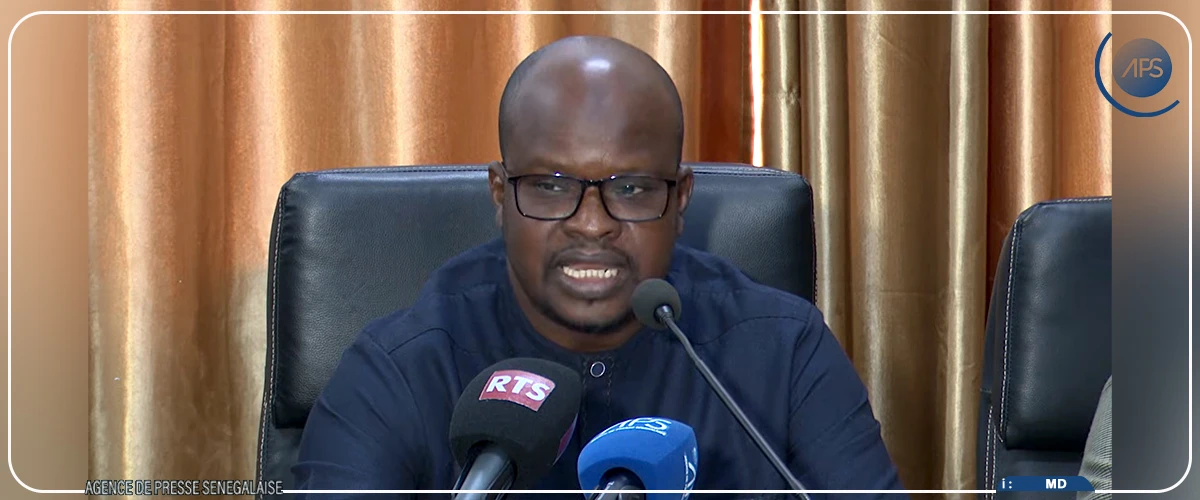
The Centre de formation judiciaire in Dakar hosted the official opening of a two-day capacity-building session on Tuesday, focusing on legislative provisions related to female genital mutilation (FGM). The session, attended by magistrates, lawyers, and civil society actors, aims to strengthen the understanding of FGM-related laws and their implementation. The event is part of efforts to combat the practice of FGM in Senegal.
The Director of the Centre de formation judiciaire, Souleymane Teliko, emphasized the importance of understanding the social, cultural, and religious contexts in which FGM practices are rooted. He stressed that protecting young girls and women from FGM requires a comprehensive approach that takes into account these realities. The session provides a platform for participants to discuss and share experiences on how to effectively address FGM.
The Representative of UNICEF, Catherine Baumann, called on participants to act with determination, coherence, and responsibility to ensure that the abandonment of FGM becomes a reality. She emphasized the need for collective action to protect girls and women from this harmful practice. Baumann's statement reflects the commitment of international organizations to support efforts to eliminate FGM in Senegal and beyond.
The President of the National Commission for Human Rights, Amsatou Sow Sidibé, expressed her expectations for concrete recommendations and a realistic roadmap to emerge from the session. She emphasized the importance of translating discussions into tangible actions that can lead to the eradication of FGM. Sidibé's statement highlights the need for effective strategies to address this human rights issue.
The session brings together representatives from institutions, both public and international, to engage in discussions and share experiences on FGM-related legislation. The participants will examine the current legal framework and identify areas for improvement to effectively combat FGM. The exchange of ideas and best practices will contribute to the development of effective strategies to address this issue.
The training session is a significant step towards strengthening the capacity of stakeholders to address FGM in Senegal. By engaging magistrates, lawyers, and civil society actors, the session aims to promote a comprehensive understanding of FGM-related laws and their implementation. The outcome of the session is expected to contribute to the development of effective strategies to eliminate FGM in the country.
The event reflects the commitment of Senegalese authorities to address the issue of FGM. The country has made efforts to combat the practice, including the development of legislation to prohibit FGM. The training session is a continuation of these efforts, demonstrating the government's commitment to protecting the rights of girls and women.
Key points
- The session aims to strengthen the understanding of FGM-related laws and their implementation.
- The event brings together representatives from institutions, both public and international, to engage in discussions and share experiences on FGM-related legislation.
- The outcome of the session is expected to contribute to the development of effective strategies to eliminate FGM in Senegal.