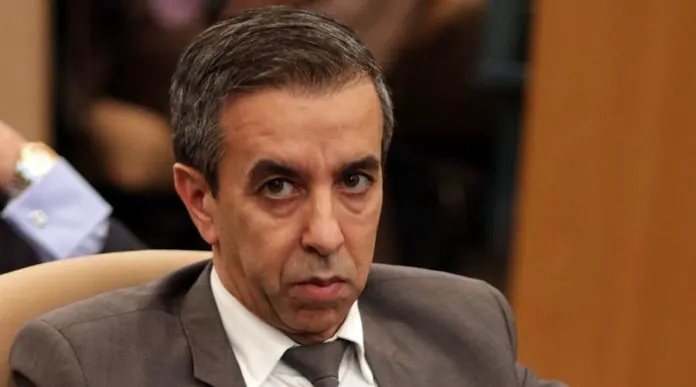
The trial of former Algerian ministers and businessmen continued on the third day, with Ali Haddad, a prominent businessman, taking the stand. Haddad, who was sentenced to 7 years in prison in December, denied all charges against him, including money laundering and obtaining undue privileges. He claimed that his company, ETRHB, had contributed to major infrastructure projects in the country and rejected allegations of corruption.
Earlier in the day, Hamoud Chaïb, who managed the finances of Abdelaziz Bouteflika's failed presidential campaign, testified that Haddad had tasked him with managing the campaign's finances. Chaïb stated that the campaign had collected 75 billion centimes from depositors, businessmen, and traders, with the approval of Bouteflika's brother, Saïd. Haddad, however, claimed that he had only acted on Saïd Bouteflika's request and that the money had been kept in his office for security reasons.
Haddad's defense strategy focused on denying all allegations and emphasizing his company's contributions to Algerian infrastructure projects. He stated that if he had indeed laundered money or obtained undue privileges, he would have been punished by now. The prosecution had accused Haddad of benefiting from public contracts and financing the campaign illegally.
Other accused individuals, including former Prime Ministers Ahmed Ouyahia and Abdelmalek Sellal, had also taken the stand, denying all charges against them. Ouyahia claimed that he had only implemented the President's program, while Sellal stated that his role was to execute the President's policies, which had been adopted by Parliament.
The trial is an appeal against the verdicts handed down by the Sidi M'hamed Tribunal on December 10, 2019. The accused, including former ministers and businessmen, had been convicted of various crimes, including corruption, money laundering, and abuse of power. The prosecution had argued that the accused had benefited from their positions to accumulate wealth and influence.
The case involves several high-profile figures, including former Prime Ministers, ministers, and businessmen. The accused have been charged with various crimes, including corruption, money laundering, and abuse of power. The trial is seen as a significant test of Algeria's efforts to combat corruption and promote accountability.
The verdict in the trial is expected to have significant implications for Algerian politics and business. The case has already led to the conviction of several high-profile figures, and further convictions could lead to increased scrutiny of government officials and business leaders. The trial is ongoing, with several accused individuals yet to testify.
Key points
- Ali Haddad denies corruption charges in Algerian trial.
- Former Algerian ministers and businessmen are on trial for corruption and money laundering.
- The trial is an appeal against the verdicts handed down in December 2019.