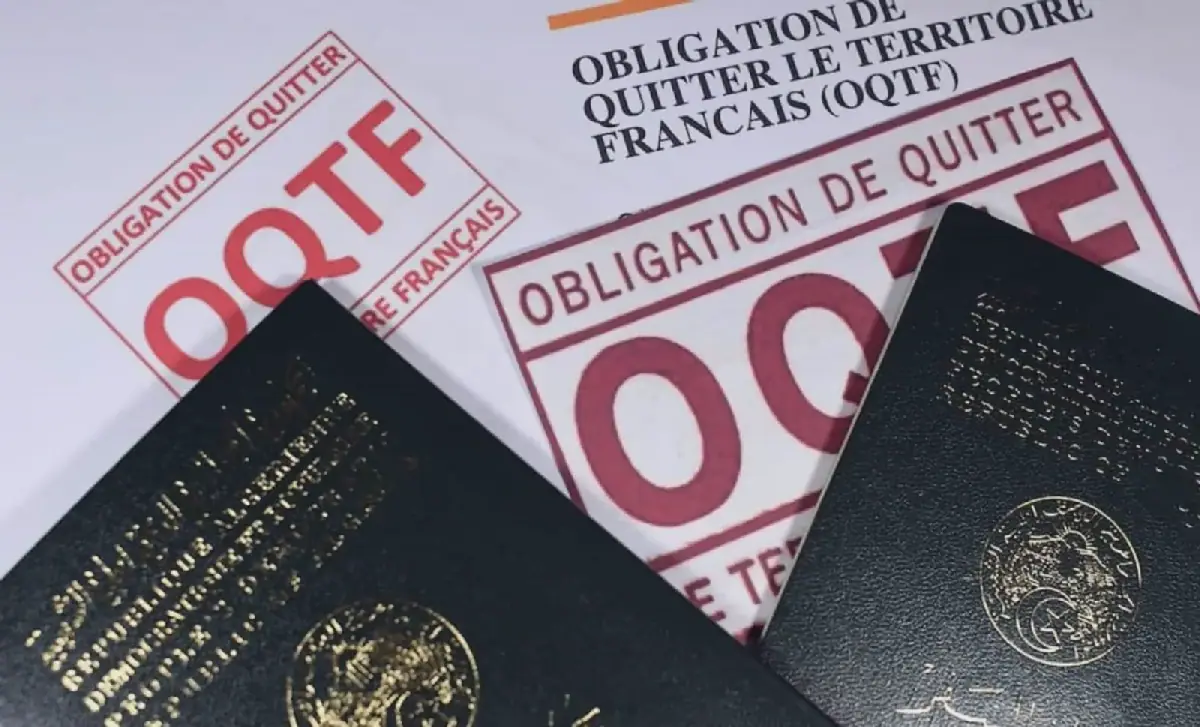
France has taken the lead in Europe in issuing deportation orders, with a total of approximately 67,300 obligations to leave French territory notified to non-EU nationals between January and June 2026. Algerian citizens top the list, with 13,745 deportation orders issued, representing nearly a fifth of the total number of orders issued during this period. This places Algeria far ahead of the next countries on the list.
The data, provided by Eurostat, reveals that no other nationality comes close to the number of deportation orders issued to Algerians. Tunisia is second, with 5,480 measures, followed by Morocco with 4,825 orders. The ranking continues with Bangladesh (2,470) and Turkey (2,340), followed by Côte d'Ivoire, Guinea, Georgia, the Democratic Republic of Congo, and Afghanistan, each with over 1,600 decisions.
When combined, the three Maghrebi countries - Algeria, Tunisia, and Morocco - account for 24,050 deportation orders, representing more than a third of all orders issued in France during this period. This concentration of deportation orders is not unprecedented, as previous parliamentary reports have highlighted the overrepresentation of Algerians among undocumented individuals intercepted.
The data also suggests that the trend is continuing, with Eurostat recording over 70,000 Algerians in irregular situations in the European Union in 2025, a figure that is on the rise while other major nationalities are declining. However, it is essential to note that receiving a deportation order does not necessarily mean that the individual will leave French territory.
A deportation order is an administrative act taken by the prefect when the administration believes that the conditions for regular stay are no longer met. Depending on the case, the individual may be granted a delay to organize their voluntary departure or may be required to leave immediately. However, the rate of execution of these measures tells a different story, with only around 11% of deportation orders resulting in actual deportation.
Individuals who receive a deportation order have the option to contest it, and the administrative tribunal is competent to examine these appeals, which can lead to the annulment of the decision or the suspension of its execution. However, there are strict time limits for lodging an appeal, ranging from one month to 48 hours, depending on the individual's situation at the time of notification.
Those who are not deported may still face consequences, and their cases may contribute to the ongoing debate on the effectiveness of France's deportation policies. Meanwhile, Algerian citizens continue to be disproportionately represented among those facing deportation, highlighting the complexities of migration and asylum issues.
Key points
- Algerians account for 13,745 of the 67,300 deportation orders issued in France in the first half of 2026.
- Only around 11% of deportation orders issued in France result in actual deportation.
- The three Maghrebi countries - Algeria, Tunisia, and Morocco - account for more than a third of all deportation orders issued in France.