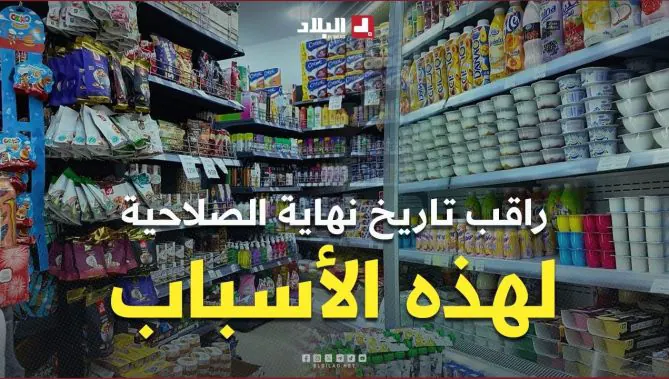
In Algeria, a growing number of citizens are taking a closer look at the food they buy, seeking assurance that products are safe for consumption and made from quality ingredients. This trend is driven in part by recent reports of counterfeit and low-quality food products entering the market. Authorities have been working to address these concerns, with the Ministry of Agriculture and Rural Development implementing measures to improve food safety and quality control.
The Algerian government has established a set of regulations and standards for food producers and importers, with the aim of ensuring that products meet minimum safety and quality requirements. These regulations include strict controls on labeling, packaging, and ingredient sourcing. Additionally, the government has increased inspections of food production facilities and markets to identify and remove substandard products.
Consumers in Algeria are also taking steps to protect themselves, with many opting to buy from trusted sources and checking product labels for certification marks. Some are also turning to social media and online forums to share information and advice on food safety and quality. This increased awareness and activism are seen as positive developments by food safety experts, who emphasize the importance of a well-informed and engaged citizenry in promoting food safety.
The issue of food safety and quality is not unique to Algeria, but it is a pressing concern in a country where food security is a top priority. With a growing population and increasing demand for food, Algeria must balance the need to ensure a stable food supply with the need to protect public health. By working together, government agencies, food producers, and consumers can help to create a safer and more transparent food system.
In recent years, Algeria has seen a number of high-profile cases of food contamination and counterfeiting, highlighting the need for stronger regulations and enforcement. These incidents have had serious consequences for public health, with many consumers falling ill after consuming tainted or spoiled food.
To address these challenges, the Algerian government is investing in new technologies and infrastructure to support food safety and quality control. This includes the development of modern laboratories and testing facilities, as well as the implementation of electronic tracking systems to monitor food products throughout the supply chain.
As Algerians continue to prioritize food safety and quality, experts predict that the country's food system will become more transparent and accountable. This, in turn, is expected to drive improvements in public health and well-being, while also supporting the growth of a sustainable and competitive food industry.
Key points
- Algerians are becoming increasingly concerned about food safety and quality, driving demand for more transparent and accountable food systems.