A tragic incident in Algeria's Makouda commune has left a community in mourning after a 30-year-old woman, identified as L.B., succumbed to a snake bite. The victim was bitten by a snake while working in an olive grove near her home in the village of Tinekachine. She was rushed to the local health center, but due to a lack of resources, she was later transferred to the hospital in Tigzirt, where she eventually passed away after falling into a coma.
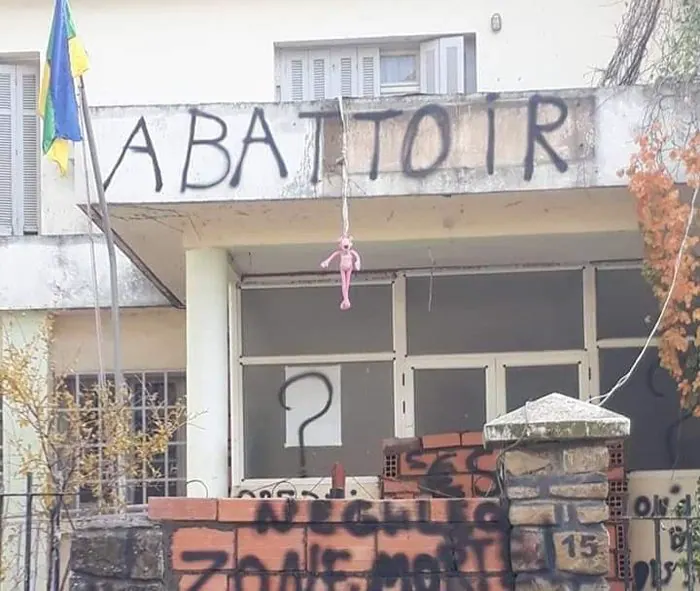
The news of the woman's death spread rapidly, triggering widespread indignation and outrage among the local population. Residents were quick to react, accusing authorities of negligence. A large crowd gathered at the health center in the commune's main town, with protesters deciding to close the facility, tagging it with graffiti such as "Abattoir" and "Clinic of Death." The protesters used bricks to block the main entrance, demanding sanctions against those responsible for the woman's death and an investigation into the circumstances surrounding the incident.
The health center in Makouda, located in the town center, had reportedly been operating with minimal resources for years. Due to a shortage of personnel and equipment, most emergency cases were routinely redirected to the hospital in Tigzirt. In some instances, patients were transferred to Tigzirt only to be sent again to the CHU hospital in Tizi Ouzou, due to a lack of resources. This created a cycle of delays that sometimes ended in tragedy, as seen in the case of L.B.
The incident has highlighted the long-standing issues with healthcare infrastructure in rural Algeria. The commune's health center, which was supposed to provide essential medical care, was unable to treat a patient with a relatively common condition due to its limited capabilities. The situation has sparked concerns about the quality of healthcare services in rural areas and the need for improved infrastructure and resources.
The protests in Makouda continued, with residents expressing their frustration and anger at the situation. The community was still reeling from the shock of the woman's death, with many struggling to come to terms with the fact that she died from a treatable condition due to delayed medical care. The incident has raised questions about accountability and the need for authorities to take responsibility for the shortcomings in the healthcare system.
The local population's demands for action have been echoed by concerns about the broader implications of such incidents. The reliance on distant hospitals for medical care can lead to delays and increased risks for patients, particularly in emergency situations. The situation in Makouda serves as a reminder of the need for sustainable and effective healthcare solutions in rural areas to prevent similar tragedies in the future.
As the community in Makouda continues to grapple with the aftermath of the incident, there is a growing call for improvements to the local healthcare system. Ensuring that health centers are equipped to handle emergency cases and providing timely medical care are crucial steps towards preventing such tragedies. The incident has underscored the importance of addressing these issues to ensure that rural communities receive the healthcare they need.
Key points
- A 30-year-old woman in Algeria died from a snake bite due to delayed medical care, sparking protests and outrage in her community.
- The health center in Makouda commune was unable to treat the woman due to a lack of resources, leading to her transfer to a distant hospital.
- The incident has highlighted the need for improved healthcare infrastructure and resources in rural Algeria to prevent similar tragedies.