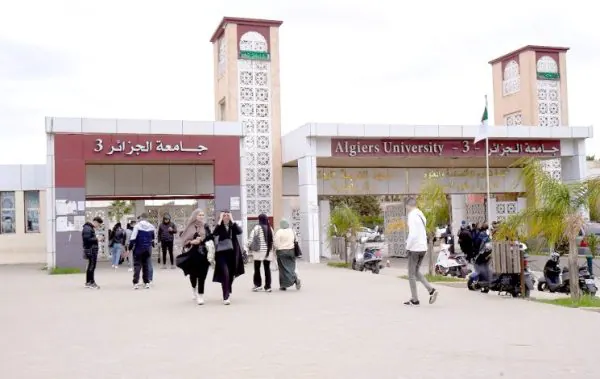
The Algerian university system is undergoing significant changes as it welcomes a new academic year. With nearly 2 million students, the sector is on the cusp of a major transformation. The government has introduced various digital tools to enhance the learning experience, including 74 digital platforms for students, teachers, researchers, and staff. These platforms aim to streamline university operations and promote a paperless environment.
The use of artificial intelligence (AI) is becoming increasingly prevalent in Algerian universities. AI-powered chatbots are being used to assist students with inquiries and provide support throughout the academic year. According to Abdel Djebbar Daoudi, advisor to the Minister of Higher Education and Scientific Research, the AI model has already processed over 2 million operations during the two-week registration period. This includes downloads on mobile phones.
The new academic year also marks the launch of a new scientific and technological hub, which has produced its first batch of 157 graduates. All members of this cohort have secured employment, demonstrating the government's efforts to bridge the gap between education and the job market. Daoudi emphasized that this hub serves as a model for the development of elite scientific talent and a beacon for national development.
The Algerian government is committed to reducing the environmental impact of the university sector by promoting digitalization. The "zero paper" policy, now in its fourth year, aims to minimize paperwork and encourage online transactions. Students can now complete pre-registration and registration procedures digitally, with plans to extend this to other university services.
The integration of AI and digital tools is not limited to scientific and technological fields. The government plans to adapt humanities and literary programs to meet the changing demands of the job market. Thirteen new specializations have been identified, including urban planning, intelligent parks, and industrial AI. These changes aim to equip students with the skills required for emerging industries.
The university sector is also focusing on student orientation and support. Daoudi reported a 97% satisfaction rate among new students regarding their chosen majors, the highest level recorded since Algeria gained independence. The government believes that AI and digital tools can help reduce academic failure and improve student outcomes.
As the Algerian university system approaches a milestone of 2 million students, the government faces the challenge of keeping pace with technological and economic transformations. The emphasis on AI, digitalization, and adaptability aims to ensure that the education sector remains relevant and effective in preparing students for the future job market.
Key points
- Algerian universities are embracing AI and digital transformation to enhance the learning experience and prepare students for emerging industries.
- The government has introduced 74 digital platforms and AI-powered chatbots to streamline university operations and promote a paperless environment.
- The new academic year marks the launch of a new scientific and technological hub, which has produced its first batch of 157 graduates, all of whom have secured employment.