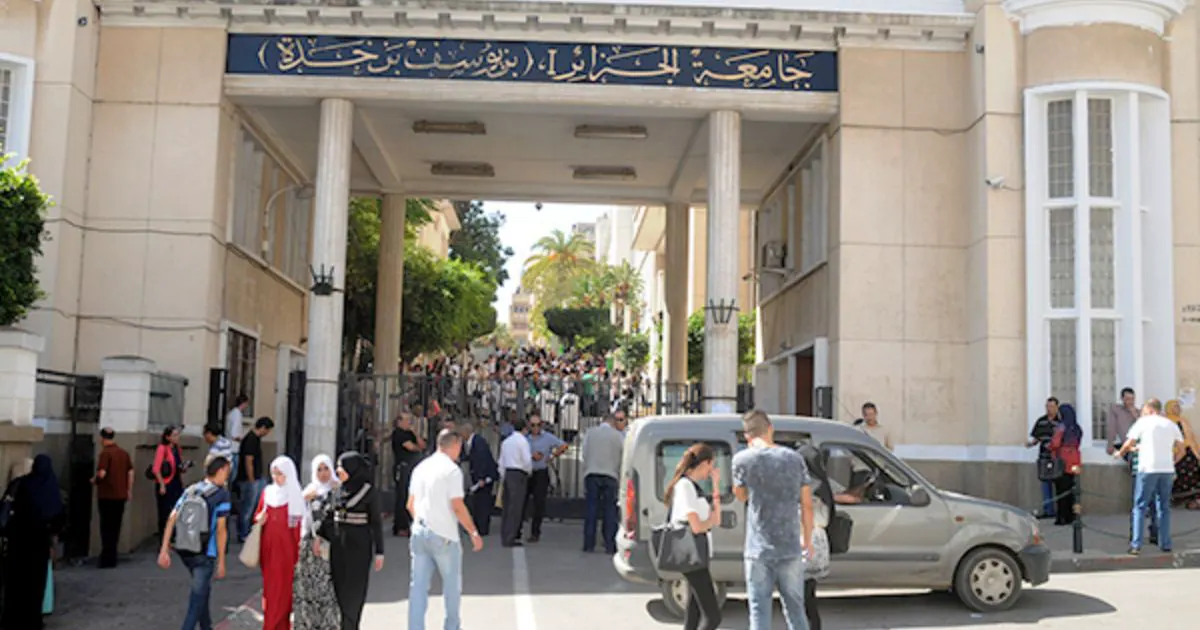
The decision to extend university teaching hours until 9 PM has sparked a heated debate in Algeria. The move, aimed at optimizing academic activities, has raised concerns among students and parents regarding safety, transportation, and logistics. In response to the backlash, several universities have clarified the implementation details of this measure. They emphasize that the extended hours will only apply to specific specialties with limited enrollment.
The controversy surrounding the extended hours has led to a series of meetings between university administrators and student representatives. At Constantine 1 University (Frères Mentouri), these discussions have helped alleviate some of the concerns. Student organizations, such as the Organisation étudiante algérienne libre and the Coalition des étudiants algériens libres, have secured major concessions. These include the exclusion of first-year students and those residing outside Constantine from the extended hours.
The extended hours will primarily target specific specialties with limited enrollment, focusing on fields related to artificial intelligence, digital transition, entrepreneurship, and scientific research. According to the university administration, evening classes will end at 8:15 PM, and university transportation services will be available from 8:30 PM. Additionally, students who are unable to attend evening classes will be allowed to join alternative groups.
Student unions have emphasized that the success of this new system depends on ensuring the safety and security of students on campus. They stress the need for adapted meal times, particularly for evening meals. In response, university authorities have pledged to meet all material and security conditions before implementing the extended hours.
The Coordination nationale pour la protection de la société à Constantine has expressed concerns about the risks associated with late-night travel. The organization emphasizes that the right to education must be balanced with the safety of students. In light of these concerns, universities are working to provide adequate services and guarantees.
The implementation of extended hours will be closely monitored, with a focus on evaluating the effectiveness of the measures in place. Universities aim to strike a balance between academic requirements and student needs. The success of this new system will depend on the concrete application of the commitments made.
Ultimately, the extended hours are intended to enhance the academic experience for Algerian students. By providing more flexible scheduling options, universities hope to improve student outcomes and better prepare them for the workforce. The coming months will reveal the impact of this new policy on the country's education system.
Key points
- Algerian universities extend teaching hours until 9 PM, targeting specific specialties with limited enrollment.