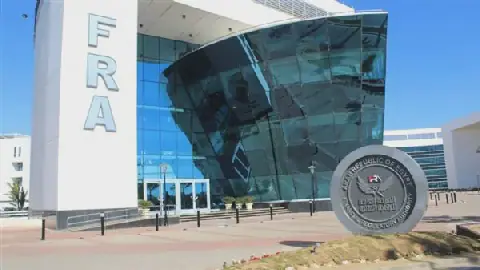
Workers at Alcost, a textile company in Béjaïa, Algeria, continued their unlimited strike on Wednesday, having begun the action the previous day. The strike is in response to the company's decision to renege on its commitment to implement salary increases and other demands agreed upon in negotiations earlier in May. According to B. Atmane, a union representative, the strike is aimed at pressuring the company to honor its commitments.
The dispute centers on the company's decision to withdraw its offer of salary increases, effective retroactively from April, which had been agreed upon during negotiations following previous strikes. The workers had been promised that their concerns would be addressed, but were informed on Thursday that the decision would need to be validated by the company's board of directors. This move has sparked outrage among workers, who claim that their salaries have been modest for years and that their working conditions need improvement.
This is not the first time that Alcost workers have taken action to press for their demands. In January, they organized a one-day strike and protest to call for better working conditions, salary increases, and regularization of contract workers. The workers also denounced what they described as exploitation by the employer. According to one female worker, the company's failure to address their concerns over the years has led to frustration and disappointment.
Alcost is one of eleven state-owned enterprises in the Béjaïa region that received government assistance as part of a development plan aimed at revitalizing public economic enterprises. The plan, launched in 2013 by the Ministry of Industry and Mines, provided funding to help companies like Alcost modernize and become more competitive. However, despite these efforts, the company still faces significant challenges, including competition from cheap imports from China and Turkey.
The textile sector is a significant employer in the region, with Alcost alone employing over 700 workers. The company's production focuses on making shirt and pant sets. Workers are demanding that the company revisit their salaries, which they claim are too low, and improve their working conditions. They also want the company to regularize the status of contract workers.
The strike has significant implications for the company's operations and the local economy. Alcost is one of five textile companies in the region that received government assistance. The other companies, including ALFADITEX, SENTEX, ALCOVEL, and ICOTAL, may also face pressure from workers to improve their conditions. The government has invested hundreds of billions of dinars in these companies to help them compete with imports.
The strike by Alcost workers highlights the ongoing challenges facing state-owned enterprises in Algeria. Despite efforts to revitalize these companies, they continue to struggle with issues such as low salaries, poor working conditions, and competition from cheap imports. The outcome of the strike and the government's response will be closely watched by workers and industry observers alike.
Key points
- The strike is aimed at pressuring Alcost to honor its commitments to workers, including salary increases and regularization of contract workers.
- Alcost is one of eleven state-owned enterprises in Béjaïa that received government assistance as part of a development plan.
- The strike highlights the ongoing challenges facing state-owned enterprises in Algeria, including low salaries, poor working conditions, and competition from cheap imports.