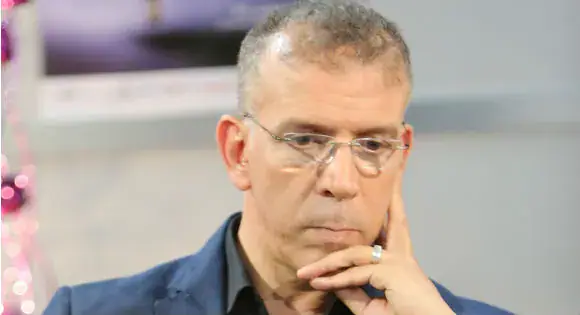
A historic 2-0 victory for Libya over Tunisia in a crucial Africa Cup of Nations qualifier has sparked controversy due to comments made by Algerian sports commentator Hafid Derradji. The win, which marked Libya's first triumph over Tunisia in 41 years, was celebrated by the Libyan team and fans. However, Derradji's remarks during the match have been criticized by Libyan journalists and the Fédération générale des journalistes sportifs libyens, who felt his comments lacked consideration for the Libyan team's achievement.
The comments made by Derradji, a well-known figure in Arab football commentary, were perceived as biased towards the Tunisian team. This has led to accusations of a lack of neutrality and respect for the Libyan team. The controversy has spread beyond sports circles, with many Libyans taking to social media to express their discontent. The incident raises questions about the limits of freedom of expression for sports commentators and the importance of maintaining impartiality in their profession.
Hafid Derradji is known for his expressive style and has built a significant following in the Arab world. However, his outspoken nature has also led to several controversies in the past. This latest incident highlights the challenges faced by sports commentators in balancing their opinions with the need for neutrality. The Libyan team's victory was a significant moment for the country's football fans, who have been waiting decades for a win against their Tunisian rivals.
The Fédération générale des journalistes sportifs libyens has expressed its disappointment with Derradji's comments, which they felt did not adequately acknowledge the significance of Libya's victory. The incident has sparked a wider debate about the role of media and international broadcasters in promoting respectful and impartial coverage of sports events. The controversy has also highlighted the sensitivity of football in the Maghreb region, where rivalries can quickly take on a broader cultural and national significance.
The incident has raised questions about the responsibility of sports commentators and the media in promoting respectful and impartial coverage of sports events. It also highlights the challenges faced by broadcasters in balancing the need for engaging commentary with the requirement for neutrality. Hafid Derradji's comments have sparked a heated debate about the limits of freedom of expression in sports commentary and the importance of maintaining impartiality.
BeIN Sports, the broadcaster for which Derradji works, has typically used neutral commentators for matches between Arab teams. However, in this case, Derradji's comments were seen as overly sympathetic to the Tunisian team, leading to criticism from Libyan journalists and fans. The incident has sparked a wider debate about the role of media in promoting respectful and impartial coverage of sports events.
As the controversy continues, fans and journalists alike are eagerly awaiting a response from Hafid Derradji. His reaction to the criticism will likely have a significant impact on the ongoing debate about the role of sports commentators and the importance of impartiality in their profession. The incident serves as a reminder that, in the world of football, the power of the microphone can be just as significant as the ball on the pitch.
Key points
- The controversy highlights the challenges faced by sports commentators in balancing their opinions with the need for neutrality.
- The incident has sparked a wider debate about the role of media and international broadcasters in promoting respectful and impartial coverage of sports events.
- Hafid Derradji's comments have sparked a heated debate about the limits of freedom of expression in sports commentary and the importance of maintaining impartiality.