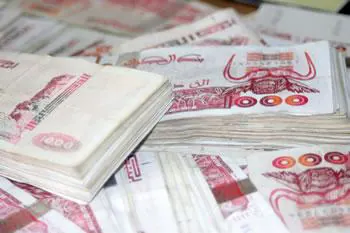
The Algerian solidarity sector has been hit by a corruption scandal, with two former ministers of national solidarity implicated. Djamel Ould Abbès and Saïd Barkat, who headed the ministry in 1999-2008 and 2012 respectively, have been summoned to appear before investigating magistrates. They face allegations of embezzlement of public funds and misuse of power. The scandal has raised concerns about the transparency and accountability of the sector, which is responsible for providing aid to vulnerable populations.
The alleged corruption dates back to 2001 and 2016, during the tenure of the two former ministers. According to reports, over 706 billion centimes may have been embezzled over a 15-year period. The funds were allocated to associations and NGOs, some of which were presided over by Ould Abbès himself. The justice system has opened investigations into the financing of these associations and the signing of allegedly illegal conventions.
Two prominent associations, the Africanist Association of Emergency Medicine and the Peace and Solidarity Association, are suspected of receiving "fictitious" aid. The former allegedly received 52 billion centimes in 2007 to purchase 250 school buses, while the latter received 43 billion centimes in 2010 to acquire buses for flood victims in Ghardaïa. However, documents obtained by Dzaïr news suggest that these buses were never purchased.
Other associations have also been cited by the justice system for allegedly receiving large sums of money for activities that were not carried out. These include the National Federation of Motor Handicapped (49 billion centimes), Lalla Nafissa for the Promotion of Women, Iqra, and Flambeau de Vie Plein Air. The latter allegedly received 10.8 billion centimes intended for needy women and orphans in the south of the country.
The Union of Algerian Students is also implicated in the scandal, with allegations of embezzlement of 556 billion centimes between 2010 and 2012. The funds were intended for the purchase of ambulances and aid to needy students. However, the union had no apparent connection to the Ministry of National Solidarity, except for its president, who is a high-ranking official in the ministry.
The scandal has sparked concerns about the transparency and accountability of the solidarity sector, particularly during the holy month of Ramadan when aid distribution increases. This year, the government has opted to provide financial assistance to families instead of food baskets. However, allegations of corruption and embezzlement have raised questions about the effectiveness of these measures.
The case has led to the summoning of 21 people, including nine ministry officials and 12 association presidents. The prosecutor in charge of the case has launched investigations into the alleged embezzlement and misuse of power. The scandal highlights the need for greater transparency and accountability in the management of public funds, particularly in sectors that affect vulnerable populations.
Key points
- Over 706 billion centimes may have been embezzled from the Algerian solidarity sector over a 15-year period.
- Two former ministers of national solidarity, Djamel Ould Abbès and Saïd Barkat, are implicated in the scandal.
- The case has led to investigations into the financing of associations and NGOs, and the summoning of 21 people.