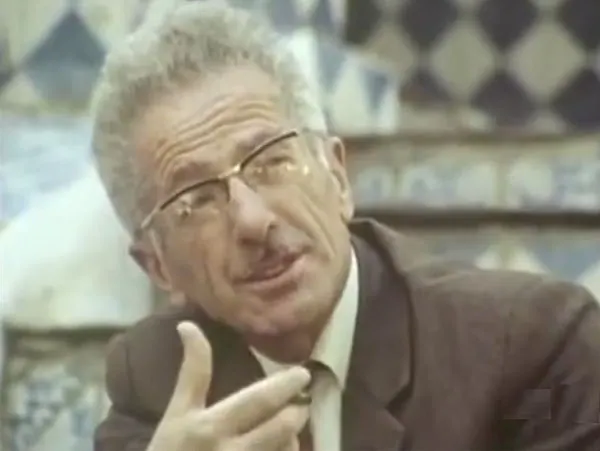
Mouloud Mammeri, a renowned Algerian academic and writer, has left an indelible mark on the country's cultural and intellectual landscape. Born in Algeria, Mammeri dedicated his life to researching and promoting the country's rich cultural heritage. He was a vocal advocate for the preservation of Algerian identity and culture, which he believed was essential to the nation's existence. Throughout his life, Mammeri wrote extensively on the subject, producing numerous works that continue to inspire and educate readers to this day.
Mammeri's work was not without its challenges. During the colonial era, he faced opposition from French intellectuals who sought to suppress Algerian culture and impose their own values on the country. Undeterred, Mammeri continued to write and speak out against colonialism, advocating for Algerian independence and self-determination. His efforts ultimately contributed to the country's struggle for independence, which was finally achieved in 1962.
One of Mammeri's most significant contributions was his work on the Berber language and culture. Despite facing diabolization and marginalization, Mammeri remained committed to promoting Berber identity and culture, which he believed was an integral part of Algerian heritage. His work in this area helped to shed light on the rich cultural diversity of Algeria and paved the way for future generations of Berber scholars and activists.
Mammeri's writings also explored the complexities of Algerian society and culture in the post-independence era. In works such as "La Cité du Soleil" and "La Meute," he critiqued the country's authoritarian tendencies and the imposition of a pre-fabricated societal model that was at odds with Algerian values and realities. His writings offered a nuanced and insightful analysis of Algerian society, highlighting the need for greater freedom, tolerance, and cultural expression.
Throughout his life, Mammeri was driven by a deep commitment to human values and social justice. He believed that culture and identity were essential to human existence and that they should be celebrated and protected. His work continues to inspire Algerians and others around the world to take pride in their cultural heritage and to fight for their rights and freedoms.
Mammeri's legacy extends far beyond his writings. He has inspired a generation of Algerian scholars, writers, and activists who continue to build on his work and promote his values. His contributions to Algerian culture and identity have been recognized and celebrated by scholars and intellectuals around the world, cementing his place as one of the most important Algerian thinkers of the 20th century.
Today, Mammeri's work remains relevant and timely, offering insights into the complexities of Algerian society and culture. His commitment to human values, social justice, and cultural expression serves as a powerful reminder of the importance of promoting and protecting these values in the face of adversity. As Algeria continues to navigate its complex history and cultural identity, Mammeri's work will undoubtedly remain an essential part of the country's intellectual and cultural landscape.
Key points
- Mouloud Mammeri was a vocal advocate for Algerian independence and self-determination during the colonial era.
- Mammeri's work continues to inspire Algerians and others around the world to take pride in their cultural heritage and to fight for their rights and freedoms.
- Mammeri's legacy extends far beyond his writings, inspiring a generation of Algerian scholars, writers, and activists who continue to build on his work and promote his values.