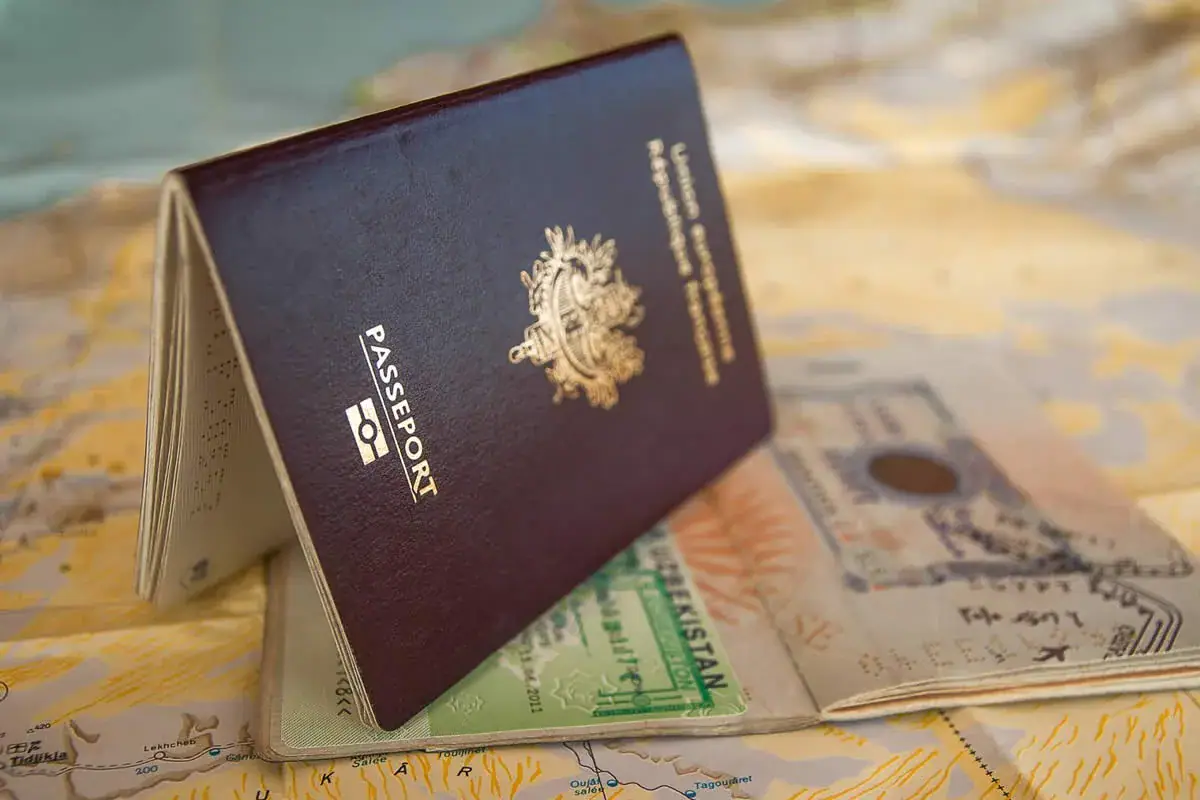
In Algeria, residents are experiencing difficulties renewing their titles of stay due to the silence of the prefecture. When a prefecture fails to respond to a renewal request within four months, it can be considered an implicit rejection. This can have significant consequences on an individual's right to stay and work in the country. According to the Conseil d’État, this decision can occur even if the administration is still examining the application, provided the initial request was complete.
A complete application is crucial, as an incomplete dossier can result in a refusal of registration, which cannot be contested in the same manner. During the application process, applicants must also ensure the validity of their documents. For online applications, an attestation of deposit does not, on its own, justify the regularity of stay. If the title expires before the examination is completed, an attestation of prolongation of instruction can be issued, provided the legal conditions are met.
When faced with an implicit rejection, applicants can request the prefecture to provide the reasons behind their decision. The administration has one month to respond to this request, which can extend the deadline for contentious appeals. Applicants can then file a complaint with the administrative tribunal to contest the legality of the rejection. Generally, the appeal deadline is two months, subject to specific notification rules and dossier circumstances.
In urgent cases, a référé-suspension can be filed, allowing the judge to suspend the decision. To do so, applicants must demonstrate urgency and serious doubt about the legality of the rejection, while also submitting a full appeal. The judge may order a re-examination of the dossier or the issuance of a provisional residence permit. Algerian nationals, governed by the Franco-Algerian agreement of December 27, 1968, can also contest unfavorable decisions through administrative judges.
Algerian citizens have the option to use the référé « mesures utiles » to obtain a necessary appointment or document, particularly if the prefecture is inactive. However, this procedure cannot override an already taken administrative decision. Additionally, applicants with limited resources can seek legal aid to finance part or all of their lawyer's fees. The choice of appeal depends on the administrative situation, application date, and available documents.
The prefecture's silence can have far-reaching consequences for residents, affecting not only their residency but also their right to work. It is essential for applicants to be aware of the procedures and deadlines involved in the title renewal process. By understanding their rights and options, residents can navigate the complexities of the system and ensure their stay in Algeria remains lawful.
Journalist Abdelaziz Merzouk, an expert in Algerian tourism and travel, emphasizes the importance of factual and apolitical reporting. His work highlights local destinations, the development of the tourism sector, and the economic dynamics it generates. Merzouk's approach provides reliable and accessible information, giving a voice to local actors and travelers alike, and helping to understand the future challenges and transformations in Algerian tourism.
Key points
- The Algerian prefecture's silence on title renewal requests can lead to implicit rejection, affecting residents' rights to stay and work.
- Applicants can contest rejections through administrative judges and seek legal aid if necessary.
- Understanding the procedures and deadlines involved in title renewal is crucial for residents to maintain their lawful stay in Algeria.
Reporting sources
- Titre de séjour : les recours possibles face au silence de la préfecture · maghrebemergent.com