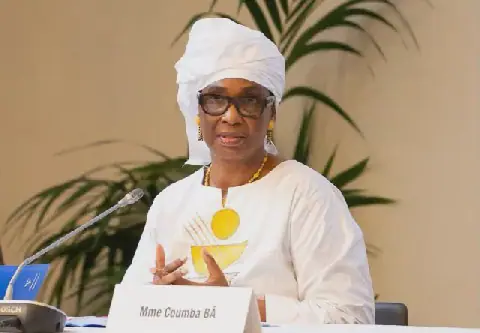
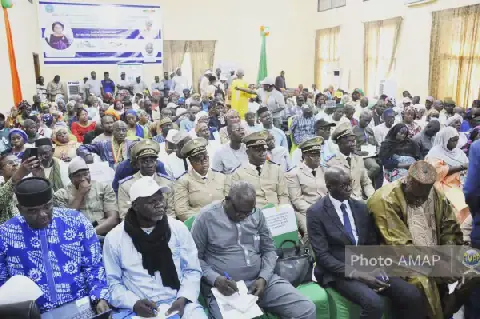
On November 3, 2026, Algerian Prime Minister Siefi Grib delivered a speech at the opening of a national workshop on climate finance and carbon markets. The event, which brings together various stakeholders, aims to discuss the country's climate commitments and ways to mobilize resources to achieve them. Grib emphasized the importance of effective governance and resource mobilization in implementing Algeria's climate commitments.
Algeria has made significant strides in addressing climate change, including incorporating the issue into its 2020 constitution and adopting a national hydrogen strategy in 2023. The country has also submitted its updated nationally determined contribution (NDC) to the United Nations Framework Convention on Climate Change. Grib highlighted the need for Algeria to transition to a low-carbon economy while ensuring energy security and economic stability.
The prime minister emphasized that climate finance and carbon markets are crucial in mobilizing resources to support climate action. He noted that Algeria's participation in international carbon markets can help attract investments, transfer technology, and create value. Grib also stressed the importance of developing a national carbon market that is transparent, secure, and aligned with international standards.
Algeria has set ambitious targets to reduce its greenhouse gas emissions, including a 14% reduction by 2035, which can be increased to 31% with international support. Grib highlighted the need for international cooperation and climate finance to support the country's efforts. He also emphasized the importance of involving the private sector in climate finance and carbon markets.
The workshop aims to develop a comprehensive national system for climate governance, including a unified legal framework and operational tools. Grib called for the development of a national carbon market that can help mobilize investments and support climate action. He also emphasized the need for capacity building and institutional strengthening to support climate action.
Algeria is committed to a just and equitable transition to a low-carbon economy. Grib highlighted the country's efforts to develop its renewable energy sector, including a solar energy program. He also emphasized the importance of international cooperation and climate finance in supporting the country's efforts to address climate change.
The workshop brings together various stakeholders, including government officials, experts, and representatives from international organizations. Grib expressed his hope that the workshop will produce practical recommendations for developing a national climate finance and carbon market system. The country's efforts to address climate change are critical, given its vulnerability to climate-related impacts.
Key points
- Algeria aims to reduce its greenhouse gas emissions by 14% by 2035, which can be increased to 31% with international support.
- The country has developed a national hydrogen strategy and submitted its updated nationally determined contribution to the United Nations Framework Convention on Climate Change.
- Algeria emphasizes the importance of international cooperation and climate finance in supporting its efforts to address climate change.