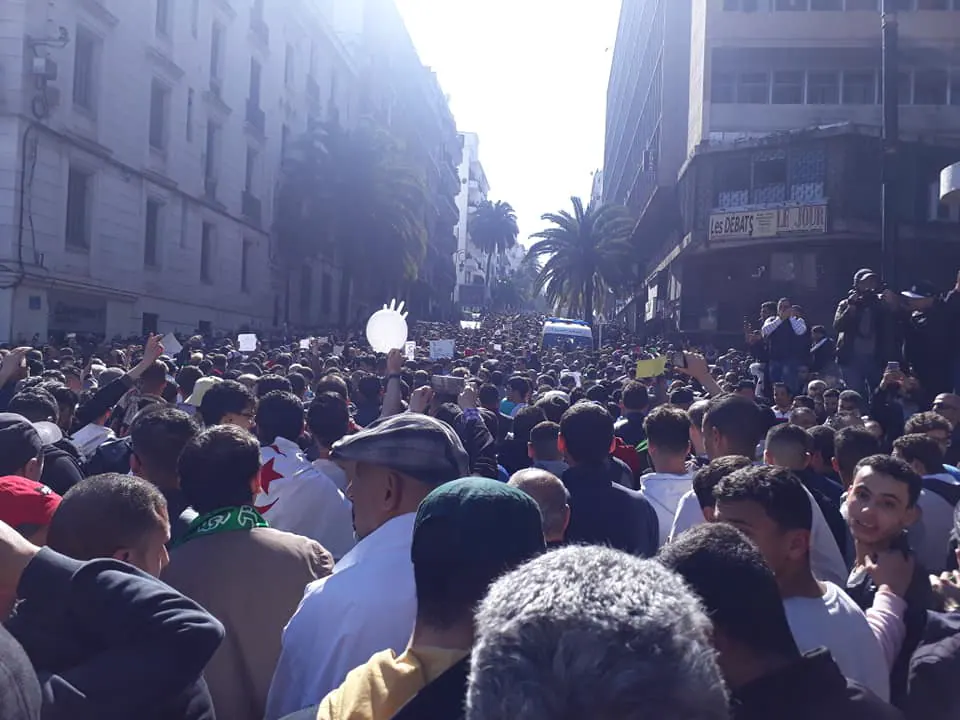
In a historic display of unity, hundreds of thousands of Algerians from all walks of life took to the streets on March 1, demanding a radical change in the country's political system. The protests, which were largely peaceful, saw citizens of all ages and social classes come together to call for an end to the current government's rule and reject a fifth presidential term. This show of solidarity marks a significant shift in the country's politics, with many Algerians who had previously been apathetic towards politics now actively demanding change.
The protests, which began on February 22, have been hailed as a turning point in Algerian history, with many describing them as a lesson in maturity and political awareness. The fact that no incidents were recorded during the protests is a testament to the organizers' ability to maintain peace and order. The demonstrations have also highlighted the Algerian people's desire for a more inclusive and representative government, with many criticizing the current leadership for failing to address their needs and aspirations.
The protests have put pressure on Algeria's politicians, with many leaders being forced to re-examine their positions and attitudes towards the people. Some, such as Ali Benflis, who had previously banned marches in the capital, were seen joining the protests and even leading chants. Others, like Louiza Hanoun, were confronted by the crowd and criticized for their stance. The protests have made it clear that the Algerian people will no longer tolerate empty promises and are demanding tangible action from their leaders.
The scale of the protests has been remarkable, with estimates suggesting that hundreds of thousands of people took part. The demonstrations were not limited to major cities, with protests taking place in towns and villages across the country. This widespread participation has been seen as a sign of the Algerian people's determination to bring about change and to hold their leaders accountable.
The protests have also highlighted the Algerian people's perception of themselves as a politicized and aware population. Contrary to the stereotype that Algerians are apathetic towards politics, the protests have shown that they are willing to take to the streets and demand change when necessary. This self-image is in contrast to the views of some outsiders, who had previously seen Algerians as being disengaged from politics.
The aftermath of the protests will be closely watched, as Algerian leaders respond to the demands of the people. The government has yet to announce any major concessions, but it is clear that the protests have already had an impact on the country's politics. The coming days and weeks will be crucial in determining the future of Algeria and whether the current government can respond to the demands of its people.
The protests have sent a clear message to Algeria's leaders that the people will no longer tolerate the status quo and are demanding a more inclusive and representative government. The fact that the protests were peaceful and well-organized has been seen as a sign of the Algerian people's maturity and political awareness. As the country looks to the future, it is clear that the protests of February 22 and March 1 will be remembered as a turning point in Algerian history.
Key points
- The Algerian people are demanding a radical change in the country's political system and rejecting a fifth presidential term.
- The protests have put pressure on Algerian leaders to re-examine their positions and attitudes towards the people.
- The protests have highlighted the Algerian people's perception of themselves as a politicized and aware population.