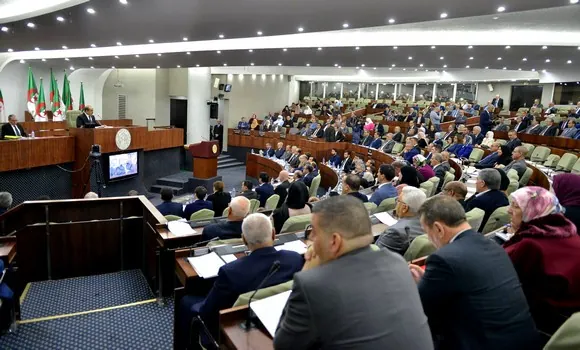
The Algerian parliament has taken a significant step in strengthening its penal code by reinstating the death penalty for certain serious crimes. On October 1, 2026, the National People's Assembly, led by Khalida Boufedech, approved a bill amending the penal code. The new legislation introduces severe sanctions, including the death penalty, for crimes that threaten national sovereignty and the security of minors.
The death penalty will be applied to individuals convicted of premeditated pyromania targeting forests or agricultural areas. This sanction will also apply to acts of sabotage that damage public infrastructure or private property, particularly if they are part of treasonous activities, intelligence with foreign entities, organized crime, or subversive actions against the country's economic and environmental stability.
The new legislation also targets crimes against vulnerable individuals, particularly children. The rapt of minors will now be punishable by death, regardless of the methods used by the perpetrators. Additionally, those convicted of torture, sexual violence, or severe abuse against children will also face the death penalty.
To ensure the strict application of these new sanctions, magistrates will not be able to grant any mitigating circumstances to perpetrators of these crimes. This means that the death penalty will be applied in full, without exception. The Algerian government aims to combat serious crimes and protect the most vulnerable members of society.
The reinstatement of the death penalty in Algeria is part of a broader effort to strengthen the country's penal code and improve public security. The government has been working to address various social and economic challenges, including crime and terrorism. The new legislation is expected to have a significant impact on the country's justice system.
Human rights groups have expressed concerns about the reinstatement of the death penalty, citing international trends towards its abolition. However, the Algerian government has argued that the measure is necessary to protect society from serious threats. The country's penal code has been amended several times in recent years to address emerging challenges.
The new legislation has been welcomed by some Algerians, who see it as a necessary measure to maintain public order and security. However, others have expressed concerns about its potential impact on human rights and the justice system. The implementation of the new penal code will be closely watched by human rights groups and international observers.
Key points
- The Algerian parliament has approved a bill reinstating the death penalty for serious crimes such as pyromania, rapt of minors, and torture.
- The new legislation aims to strengthen the country's penal code and improve public security.
- Human rights groups have expressed concerns about the reinstatement of the death penalty, citing international trends towards its abolition.