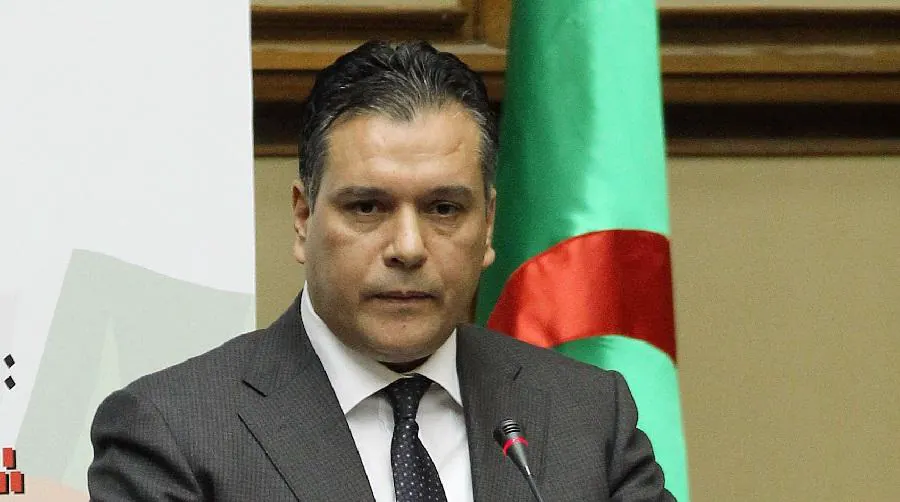
In an official statement, the Algerian National People's Assembly (APN) announced that Mouad Bouchareb has resigned from his position as president. The APN Bureau held an emergency meeting, chaired by vice-president Mohammed Moussaoudja, to address the vacancy. Bouchareb had tasked Moussaoudja with presenting his resignation to the Bureau. The meeting followed a series of events that led to Bouchareb's eventual departure.
The APN Bureau confirmed the vacancy of the president's position after accepting Bouchareb's resignation. According to the institution's internal regulations, the Bureau will submit the vacancy dossier to the Commission of Juridical and Administrative Affairs and Liberties. This commission will prepare a report confirming the vacancy. The Bureau also decided to entrust vice-president Terbeche Abderrezak with the management of the Assembly's affairs until a new president is elected.
Bouchareb's resignation comes after months of pressure from various quarters, including the street and his own party, the National Liberation Front (FLN). The FLN, under the leadership of its new Secretary-General, Mohamed Djemaï, had been pushing for Bouchareb's departure. Djemaï had publicly called for Bouchareb's resignation, citing his silence during the period leading up to former President Abdelaziz Bouteflika's resignation.
Mouad Bouchareb was elected president of the APN on October 24, 2018, replacing Saïd Bouhadja. His tenure was marked by controversy, including the infamous "cadenas" affair, which led to Bouhadja's ousting. Bouchareb's own departure may be linked to similar allegations of inaction during critical periods. The FLN had been critical of his leadership, and Djemaï's recent comments may have sealed Bouchareb's fate.
The developments surrounding Bouchareb's resignation highlight the ongoing turmoil in Algerian politics. The country has been experiencing a significant shift in its leadership, with several high-profile figures departing or facing pressure to leave. Bouchareb's resignation follows similar moves by other prominent leaders, including President Abdelaziz Bouteflika and Prime Minister Noureddine Bedoui.
Mohamed Djemaï, the new FLN Secretary-General, had been vocal about his dissatisfaction with Bouchareb's leadership. In a speech on May 29, Djemaï called for Bouchareb's resignation, stating that the people's demand for his departure was legitimate. He also urged the prosecutor to investigate Bouchareb's actions, accusing him of betraying the nation and the people.
The future of the APN and its leadership remains uncertain. The institution will need to move quickly to elect a new president and restore stability to the country's parliamentary processes. The developments surrounding Bouchareb's resignation will likely have far-reaching implications for Algerian politics and the ongoing efforts to address the country's challenges.
Key points
- Algerian National People's Assembly president Mouad Bouchareb has resigned amid pressure from his party and the street.
- The FLN had been pushing for Bouchareb's departure, with its new Secretary-General, Mohamed Djemaï, calling for his resignation and investigation.
- Bouchareb's resignation follows similar moves by other prominent Algerian leaders, including President Abdelaziz Bouteflika and Prime Minister Noureddine Bedoui.