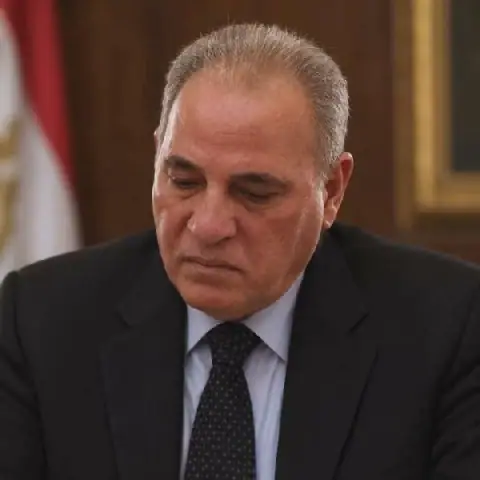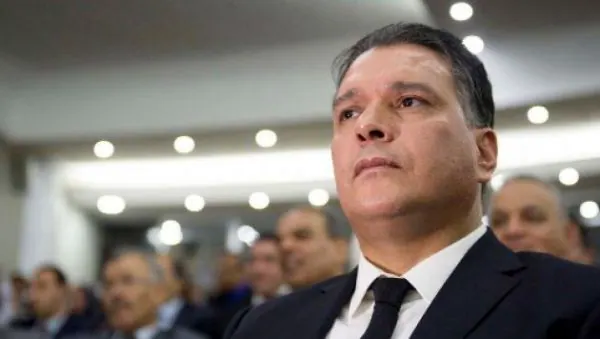
Algerian President of the National People's Assembly, Mouad Bouchareb, is facing mounting pressure to resign from his position. Bouchareb, a member of the ruling National Liberation Front (FLN) party, has been discredited by the popular movement that has been demanding his departure since February 22. His own party members, including lawmakers, have turned against him, calling for his dismissal as president of the assembly.
The FLN lawmakers' sudden change of heart towards Bouchareb is not surprising to observers. Bouchareb had previously been rejected by the party's grassroots members and was only appointed as president of the assembly after a power struggle with his predecessor, Saïd Bouhedja. The current pressure on Bouchareb comes as part of a broader effort to distance the FLN party from the legacy of former President Abdelaziz Bouteflika, whose brother Saïd has been a key target of criticism.
In a letter addressed to Bouchareb, FLN party officials and vice-presidents at the assembly expressed their rejection of his leadership and invited him to step down. During a meeting with Bouchareb, he reportedly showed understanding of the popular demands, but ultimately failed to follow through on his promise to resign. As a result, FLN lawmakers have begun to boycott him, most recently during a session commemorating the May 8, 1945 events.
The move against Bouchareb is seen as part of a broader struggle within the FLN party, which has been plagued by internal conflicts and power struggles. The party's new secretary-general, Djamai, has been vocal in his criticism of the Bouteflika era and has sought to distance the party from its past. Bouchareb's ouster would be a significant step in this process, given his close ties to the former president.
The pressure on Bouchareb comes as part of a wider popular movement that has been demanding change in Algeria since February. Protesters have called for the resignation of several high-profile figures, including Bouchareb, Prime Minister Bedoui, and President Abdelkader Bensalah. The movement has been marked by widespread demonstrations and calls for a more transparent and accountable government.
Despite the growing pressure, Bouchareb has so far refused to step down. His continued resistance has sparked concerns about the stability of the assembly and the broader implications for Algerian politics. The FLN party's efforts to distance itself from the Bouteflika era are seen as a key aspect of its survival strategy, but the process is likely to be marked by further conflicts and power struggles.
The fate of Bouchareb and the leadership of the FLN party remain uncertain, but one thing is clear: the popular movement is determined to push for change and accountability in Algeria. The outcome of the current crisis will likely have significant implications for the country's future and its efforts to transition towards a more democratic and inclusive system of government.
Key points
- Algerian lawmakers demand the resignation of National People's Assembly President Mouad Bouchareb amid popular protests.
- The FLN party is seeking to distance itself from the legacy of former President Abdelaziz Bouteflika.
- The popular movement is demanding change and accountability in Algeria, with widespread demonstrations and calls for a more transparent government.