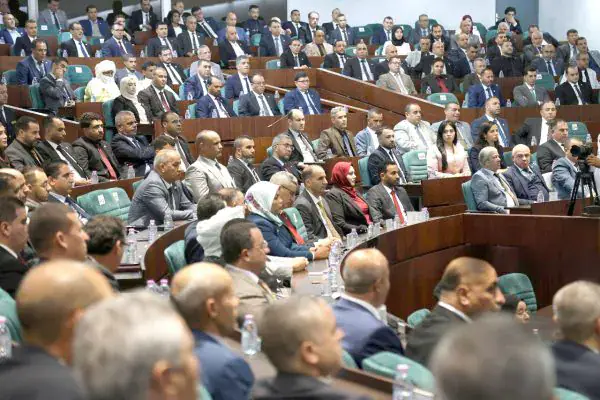
The Algerian National People's Assembly (APN) continued debating the 2027 finance bill on November 3, 2026, with lawmakers from various parties discussing key aspects of the proposed legislation. They unanimously welcomed the government's commitment to maintaining its social character, citing measures such as salary increases and support for basic products. However, many deputies raised concerns about local issues and the potential impact of increasing fuel prices.
The deputies appreciated the government's efforts to improve living standards, highlighting significant allocations for social transfers and measures to support purchasing power. They also emphasized the importance of stimulating investment, simplifying administrative procedures, and promoting projects with high local value-added to boost non-hydrocarbon exports. Several lawmakers praised the bill's provisions, including salary increases and new job creation.
The National Democratic Rally (RND) deputy, Senati Abd Ennabi, representing Illizi province, welcomed the salary increases and new job creation but noted shortcomings in his region, particularly in healthcare. He commended the government's efforts to achieve balanced economic development. The Front de libération national (FLN) also supported measures preserving the state's social character, with deputy Ahmed Zoubir Saidi valuing the proposed salary increases.
Other parties, including Front El Moustakbal and the Movement of Society for Peace (MSP), echoed similar sentiments, emphasizing the need to prioritize projects and allocate necessary funding within the 2027 finance bill. Deputies also stressed the importance of supporting small and medium-sized enterprises (SMEs) to create jobs and boost national production. They highlighted that preserving the state's social character involves controlling prices and combating speculation.
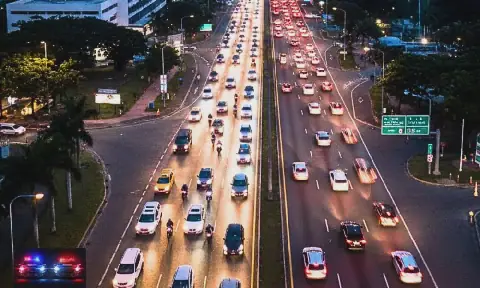
Article 218 of the finance bill, which allows for potential revisions to fuel prices, sparked significant debate among deputies. Many warned about the potential impact of increasing fuel prices on the cost of living and economic activity. The MSP deputy, Azzouz Fateh Ellah, cautioned that any increase would automatically lead to higher prices for products and services, emphasizing the need for careful consideration.
The Commission des finances et du budget de l'APN suggested modifying Article 218 to require parliamentary approval for any fuel price revisions. Several parties, including El Binaa, called for the article's annulment, highlighting concerns about the potential effects on citizens' daily lives. The debates reflect the complexities of balancing economic management with social welfare in Algeria.
The discussions underscore the challenges facing Algerian lawmakers as they seek to address economic and social issues while maintaining stability. The 2027 finance bill aims to navigate these complexities, balancing budgetary constraints with the need to support citizens' purchasing power and promote economic development. Key points include maintaining social welfare, supporting SMEs, and carefully managing fuel prices.
Key points
- Algerian lawmakers debate 2027 finance bill, focusing on social welfare and fuel prices.
- Deputies welcome measures preserving the state's social character, including salary increases.
- Article 218 allowing fuel price revisions sparks debate among lawmakers.