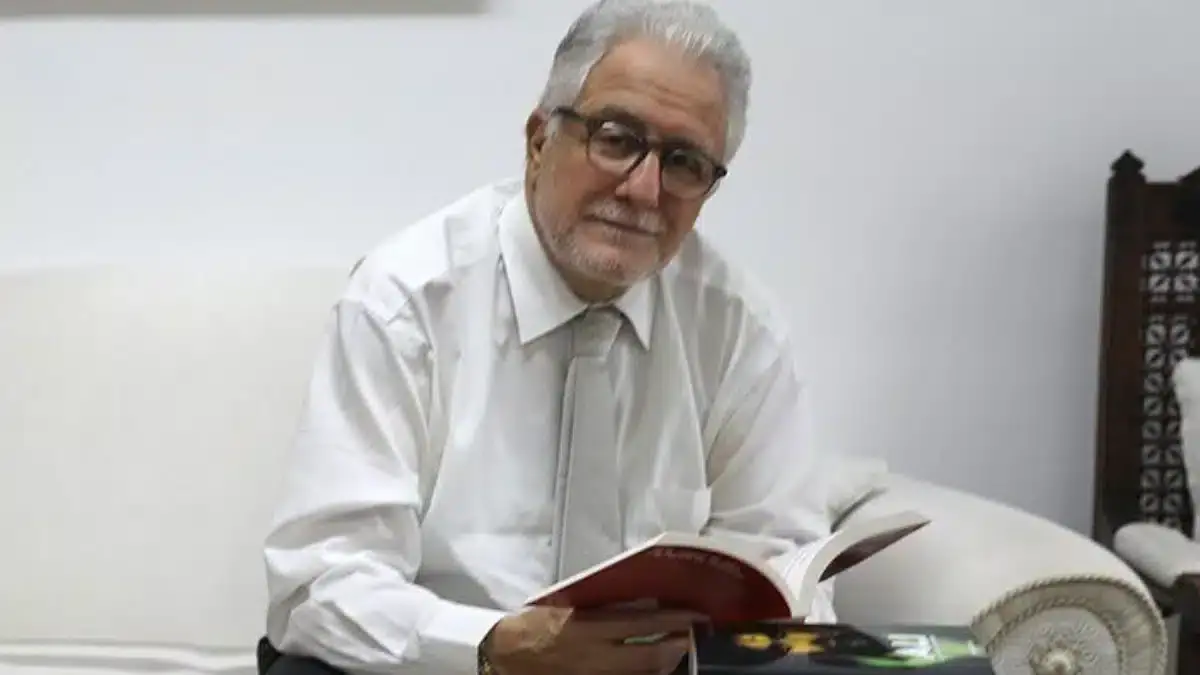
Chems-Eddine Hafiz, rector of the Grand Mosque of Paris, has expressed his opposition to the proposed ban on wearing the Islamic veil in public spaces in France. In a statement to France 3, Hafiz, a former lawyer, argued that as long as individuals do not disturb public order, they should be free to make their own choices. He believes that women who wear the veil without seeking to impose it on others should not be penalized with fines.
Hafiz emphasized that Muslim women in France who wear the veil are ordinary citizens, including mothers, doctors, nurses, and teachers, who have not asked for anything in return. He questioned who would be responsible for imposing fines on women wearing the veil and how police officers would distinguish between a simple scarf and the Islamic veil. Hafiz highlighted the potential difficulties in enforcing such a ban.
The proposed ban on the Islamic veil has sparked controversy in France. Hafiz recalled that during World War I, 100,000 Muslims had died fighting for France, and the Grand Mosque of Paris was built in their honor. He also pointed out the lack of places of worship and prayer rooms for Muslims in the Île-de-France region, where Islam is the second-largest religion.
Hafiz's comments reflect his concerns about the impact of such a ban on Muslim women and the broader community. He argued that the focus should be on promoting understanding and respect rather than imposing restrictions. The debate around the Islamic veil has been ongoing in France, with some arguing that it is a symbol of oppression, while others see it as a matter of personal choice.
The Grand Mosque of Paris has been an important symbol of Islam in France, and Hafiz's statements carry significant weight. His opposition to the ban has been met with attention from various quarters, including media outlets and Muslim communities. The proposed ban has also raised questions about the limits of state intervention in personal matters.
Hafiz's statement has sparked a renewed debate about the role of Muslims in French society. He emphasized that Muslim women who wear the veil are not seeking to impose their beliefs on others but simply want to practice their faith. The discussion around the Islamic veil has highlighted the complexities of balancing individual freedoms with social cohesion.
The proposed ban on the Islamic veil remains a contentious issue in France. Hafiz's comments have contributed to the ongoing discussion, highlighting the need for nuanced consideration of the impact on Muslim communities. The French government has not yet made a final decision on the proposed ban, and the debate is likely to continue.
Key points
- Chems-Eddine Hafiz opposes the proposed ban on wearing the Islamic veil in public spaces in France.