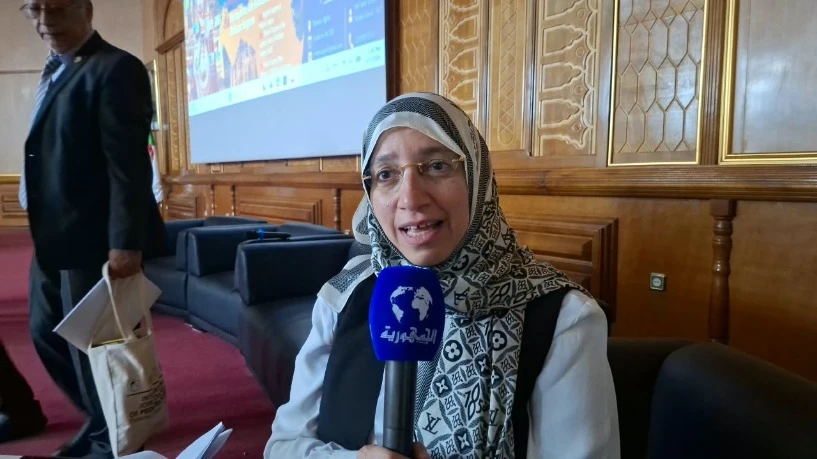
Dr. Faiza Haider, a pediatric surgery consultant from Bahrain, recently participated in the 19th Arab Association of Pediatric Surgeons Conference and the 37th Algerian Association of Pediatric Surgery Conference. She discussed the current state of liver transplantation in the Arab world, highlighting the varying levels of experience and infrastructure across different countries. Dr. Haider noted that countries with smaller populations face challenges in maintaining expertise in rare medical procedures, including liver transplants.
According to Dr. Haider, the success of liver transplant operations depends not only on the surgical intervention but also on regular follow-up care and patient compliance with medical treatment. She reported that success rates for liver transplants in children and adults can exceed 85% within the first year, with the potential to maintain this rate over five years with proper care. Dr. Haider emphasized the importance of a multidisciplinary approach to ensure optimal outcomes for patients undergoing liver transplants.
Dr. Haider shared her experience working in Bahrain, where patients requiring liver transplants are often referred to specialized centers in other countries, such as Turkey, Saudi Arabia, and India. She explained that this is due to the limited number of cases in Bahrain, making it challenging to maintain a specialized program within the country. This approach allows patients to receive the necessary care while also ensuring that medical professionals in Bahrain stay up-to-date with the latest developments in the field.
The conference session where Dr. Haider spoke focused on the reality of liver transplantation in the Arab world and the availability of programs in different Arab countries. Participants discussed the challenges and opportunities in this field, including the need for collaboration and knowledge sharing across borders. The event brought together medical professionals from across the region to share expertise and best practices in pediatric surgery.
Dr. Haider's presentation highlighted the importance of considering the unique needs and circumstances of each country when developing liver transplant programs. She noted that countries with smaller populations or limited resources may need to adopt different strategies to ensure that patients receive the care they need. This might involve partnerships with other countries or organizations to provide specialized care and training for medical professionals.
The 19th Arab Association of Pediatric Surgeons Conference and the 37th Algerian Association of Pediatric Surgery Conference provided a platform for medical professionals to share knowledge and discuss challenges in the field of pediatric surgery. The events featured presentations and discussions on various topics, including liver transplantation, and offered opportunities for networking and collaboration.
Key points from Dr. Haider's presentation include the importance of regular follow-up care and patient compliance with medical treatment in ensuring the success of liver transplant operations, and the challenges faced by countries with smaller populations in maintaining expertise in rare medical procedures. Overall, the conference highlighted the need for continued collaboration and knowledge sharing in the field of pediatric surgery to improve patient outcomes.
Key points
- Dr. Faiza Haider emphasizes that liver transplant success rates depend on both surgical intervention and post-operative care.
- Countries with smaller populations face challenges in maintaining expertise in rare medical procedures, including liver transplants.
- Liver transplant success rates in children and adults can exceed 85% within the first year with proper care.