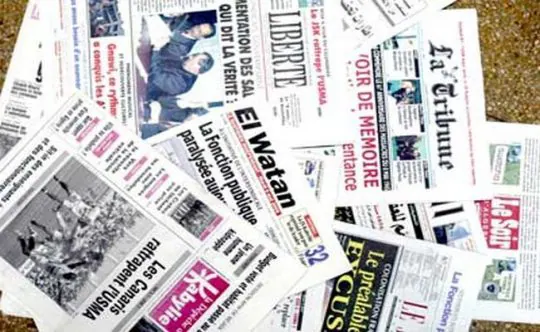
The Algerian media landscape is set to be marked by discussions around the virtues of press freedom, but a more in-depth debate is needed on the role, ethics, and deontology of journalism. The current climate allows for generalities and pompous statements, but it is time to tackle practical questions and dissect the situation without complacency. A key issue is the lack of clear definitions around who is a journalist and what constitutes a media outlet.
The current situation in Algeria sees a quasi-monopoly on radio waves by the public sector, with some private outlets operating in a grey area. Many television channels are foreign-owned but operate under Algerian jurisdiction, creating a complex and unclear situation. The lack of clear regulations and oversight has led to a situation where many outlets and individuals claim to be journalists without meeting the necessary criteria.
A major issue in the Algerian media landscape is the confusion between media outlets as a means of expression and as economic enterprises. A media outlet is not just a platform for individuals to express themselves, but also a business that requires investment, employees, and adherence to certain laws and regulations. However, many outlets in Algeria blur these lines, leading to a lack of transparency and accountability.
The Algerian authorities have issued hundreds of national professional journalist cards to individuals who are not journalists, including chauffeurs, administrative agents, and operators. This has led to a situation where many people claim to be journalists without having the necessary skills or experience. Furthermore, writing on social media or intervening in a media outlet does not automatically make someone a journalist.
The relationship between media outlets and their investors is also a contentious issue in Algeria. Many outlets are owned by individuals who use them to further their own interests and accumulate wealth, rather than to provide a public service. This has led to a lack of trust in the media and a perception that many outlets are more interested in making money than in providing accurate and unbiased information.
To address these issues, there is a need for urgent reform and clarification in the Algerian media landscape. This includes establishing clear regulations and oversight mechanisms, as well as defining the criteria for who can be considered a journalist. Additionally, media outlets need to be transparent about their ownership and finances, and be held accountable for their actions.
Ultimately, the future of the Algerian media landscape depends on its ability to reform and adapt to the changing needs of the country. This will require a commitment from all stakeholders, including media outlets, investors, and the authorities, to prioritize transparency, accountability, and professionalism. By doing so, Algeria can build a media landscape that is truly free and independent, and that serves the needs of its citizens.
Key points
- The Algerian media landscape is marked by confusion and a lack of clear regulations.
- Many media outlets and individuals claim to be journalists without meeting the necessary criteria.
- Urgent reform and clarification are needed to establish a transparent and accountable media landscape.