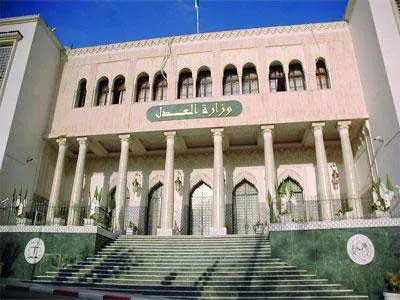
The Algerian Ministry of Justice has expressed its willingness to engage in dialogue with striking judges, emphasizing the importance of respecting the independence of institutions. In a statement, the ministry said it is open to initiatives that prioritize the interests of society, while upholding the rights of judges and the rule of law. This development comes as the judges' strike continues, with the ministry expressing regret over the disruption of judicial activities. The strike has been ongoing despite previous commitments from the judiciary to resume work.
The ministry's statement was released in response to the ongoing strike by Algerian judges, who have been protesting various issues related to their working conditions and judicial reforms. According to the ministry, a second ordinary session of the Supreme Council of the Judiciary (CSM) will be held in mid-November to address appeals related to the annual judges' transfer process. The CSM will examine the appeals in accordance with Article 19 of the law governing the council's composition and powers. This session aims to provide a platform for judges to voice their concerns and address any grievances.
The Algerian Ministry of Justice has called on judges who feel they have been unfairly treated to submit their appeals, which will be reviewed in accordance with established procedures. The ministry emphasized that it regrets the continued strike action, which it says contradicts the legal framework governing the judiciary. Judges are expected to uphold the law and maintain their impartiality, having sworn an oath to do so. The ministry's statement highlights the need for judges to prioritize their judicial duties and respect the principles of justice.
The strike has been marked by reports of incivics methods being used by some judges to disrupt work in certain jurisdictions. The ministry has expressed disappointment that such tactics have been employed, despite a commitment from the head of the National Union of Magistrates (SNM) to refrain from such behavior. In a meeting with the Minister of Justice on October 29, 2019, the SNM president had agreed to promote respect for the freedom of work among judges. However, the continued strike action suggests that not all judges are in agreement with the government's proposals.
The Algerian Minister of Justice, Zeghmati, has reiterated the government's commitment to engaging in meaningful dialogue with the judiciary. The ministry's statement emphasizes that any dialogue must prioritize the interests of society, while respecting the independence of institutions and the rights of judges. The government has expressed hope that the upcoming CSM session will provide a constructive platform for addressing the concerns of judges and finding solutions to the ongoing impasse.
Samira Saidj, a representative of the judiciary, has been involved in discussions with the government aimed at resolving the crisis. While details of these discussions are scarce, it is understood that efforts are being made to find a mutually acceptable solution. The judiciary has raised concerns about various issues, including working conditions, judicial reforms, and the transfer process. The government has acknowledged these concerns and has expressed willingness to engage in constructive dialogue.
The strike has significant implications for the Algerian justice system, with many court proceedings being disrupted or delayed. The government has urged judges to return to work and engage in dialogue, while respecting the principles of justice and the rule of law. As the situation continues to unfold, it remains to be seen whether the government's efforts to engage in dialogue will yield a resolution to the crisis. The outcome will likely have far-reaching consequences for the judiciary and the broader justice system in Algeria.
Key points
- Algerian Justice Ministry open to dialogue with striking judges
- Upcoming CSM session to address judges' appeals
- Strike disrupts judicial activities amid concerns over working conditions and reforms