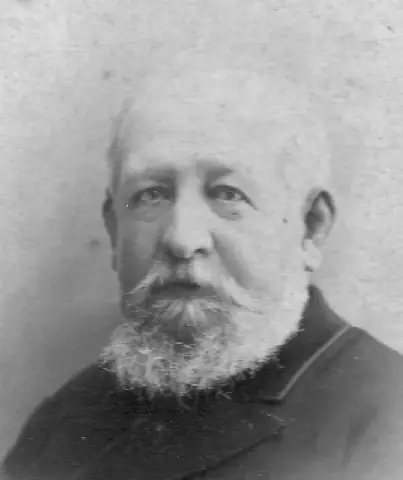
The Algerian journalism community is in mourning following the passing of Mohamed Benchicou, a renowned journalist and writer. Benchicou was a prominent figure in the country's press landscape, known for his incisive writings and contributions to the national conversation. His legacy is marked by a commitment to journalism, with a career that spanned many years and left a lasting impact on the industry.
Tributes have been pouring in for Benchicou, with colleagues and peers acknowledging his significant role in shaping Algerian journalism. While his views and opinions may not have been universally accepted, his dedication to the profession and his influence on the national discourse are widely recognized. The outpouring of condolences reflects the respect and admiration he earned from his peers and the broader community.
In the wake of his passing, reactions from various quarters have highlighted the complexities of Algeria's media landscape. Some responses have sought to instrumentalize Benchicou's death for partisan purposes, sparking concerns about the instrumentalization of journalistic legacies for political gain. This has led to calls for a nuanced discussion about the role of journalism in Algerian society and the challenges facing the profession.
A key challenge facing Algerian journalism is the tendency to reduce complex issues to simplistic narratives. This can be seen in the way some discussions around democracy, freedom of expression, and pluralism are often polarized. The risk is that such approaches can obscure the specific responsibilities of different stakeholders and hinder constructive debate about the country's challenges.
The debate around democracy and journalism in Algeria is also marked by questions about ownership and control of the narrative. Some argue that certain groups or individuals claim a monopoly on truth and democratic values, which can stifle genuine debate and marginalize dissenting voices. This raises important questions about the nature of democracy and the role of journalism in promoting pluralism and accountability.
Another issue that has been highlighted in the context of Algerian journalism is the tendency to instrumentalize identity and religion for political purposes. This can serve to distract from more pressing issues, such as economic and social challenges, and hinder meaningful discussion about the country's future. There is a need for a more nuanced and informed public discourse that can address the complexities of Algerian society.
As Algeria's journalism community continues to mourn the loss of Mohamed Benchicou, there is a growing recognition of the need for a renewed commitment to the principles of journalism and democratic values. This includes a focus on promoting pluralism, accountability, and constructive debate, as well as a willingness to engage with complex issues in a nuanced and informed manner.
Key points
- Algerian journalism community mourns the loss of Mohamed Benchicou
- Reactions to Benchicou's death highlight complexities of Algeria's media landscape
- Need for renewed commitment to journalism and democratic values in Algeria