The director of the Tizi Ouzou Unit for the Management of Industrial and Activity Zones (UGZIA), Rabah Yermèche, has highlighted the dire state of industrial zones in the region. In a recent interview with local radio, Yermèche stated that the UGZIA manages 14 zones, covering approximately 300 hectares, but faces significant challenges in their development and maintenance. These zones are spread across the wilaya, including Tadmaït, Azeffoun, Boghni, and Tizi Gheniff.
Yermèche attributed the problems in these zones to a lack of prior studies and planning, leading to inadequate infrastructure and services. He noted that some zones, such as those in Oued Aïssi, Fréha, and Boghni, are relatively well-maintained and productive, but others face significant constraints. The UGZIA director emphasized that many zones have been created without proper planning, leading to issues with land ownership, infrastructure, and services.
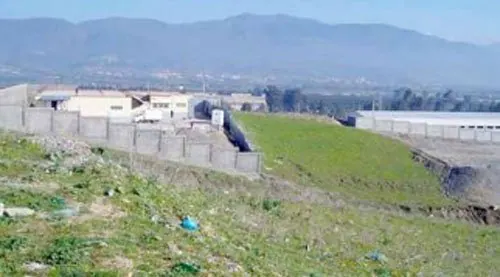
Environmental concerns are also a major issue in these industrial zones. Yermèche cited the example of the Tala Athmane zone, where only six operators are active despite over 100 being registered. The zone has become a dumping ground for waste, and despite cleanup efforts, the problem persists. The UGZIA director stressed the need for a comprehensive program to address these environmental issues and improve the overall conditions in the zones.
Yermèche revealed that the UGZIA has established a diagnostic report and transmitted it to relevant authorities, but so far, no concrete program has been announced. He estimated that at least 300 billion centimes are needed to bring the zones up to a minimum standard, including the provision of basic services such as water, electricity, and gas. The UGZIA director emphasized that this investment is crucial to enable operators to work in better conditions.
The recovery of lots distributed but not exploited is another significant challenge. Yermèche explained that this process is ongoing, but it requires a multidisciplinary commission to resolve issues related to land ownership and beneficiary identification. He noted that some beneficiaries have disappeared, and others have changed their activities or built on the land without permission.
According to Yermèche, over 600 operators have installed themselves in the zones, but more than 50% have not yet launched their projects due to various reasons, including lack of infrastructure and opposition. He stressed the need for a rigorous follow-up and prioritization of investment to revive the economy and make the zones productive.
Yermèche concluded that a comprehensive approach is needed to address the multiple challenges facing the industrial zones. This includes completing the zones, classifying them, and providing adequate infrastructure and services. He emphasized that the UGZIA, local authorities, and other stakeholders must work together to find solutions and unlock the potential of these zones.
Key points
- The UGZIA director estimates that 300 billion centimes are needed to bring the industrial zones up to a minimum standard.