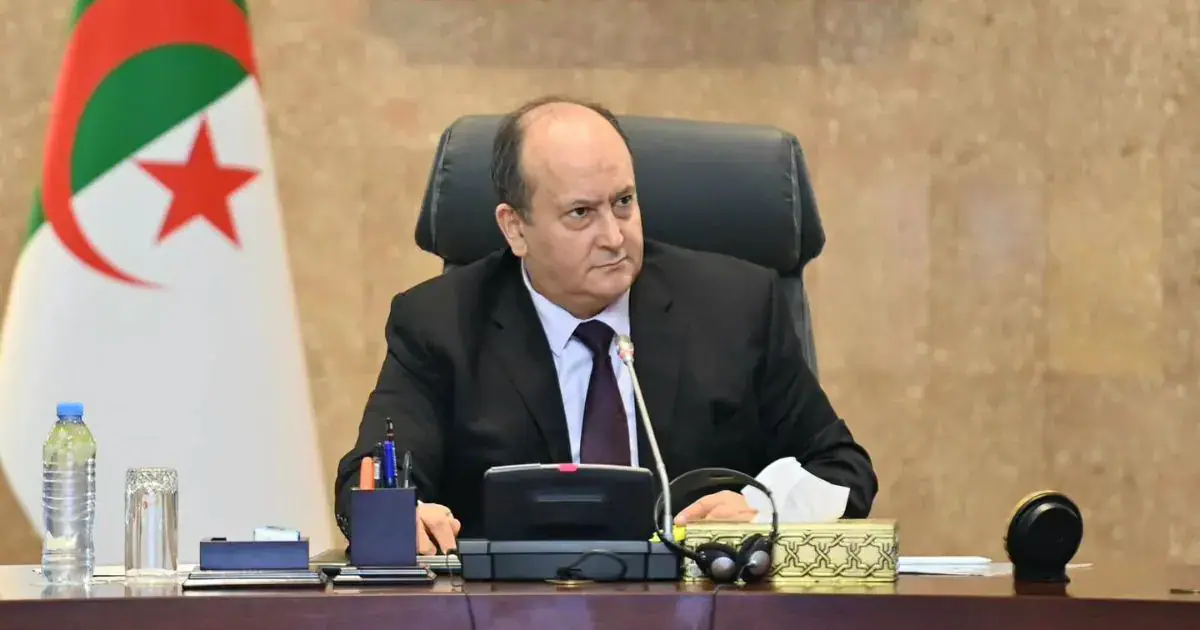
The Algerian government, led by Prime Minister Sifi Ghrieb, has held a meeting to discuss the implementation of decisions made by the President of the Republic during a Council of Ministers meeting on November 8, 2026. The focus was on the country's agricultural sector, but also touched on the liberalization of air and maritime transport. This move aims to promote national investment and create new opportunities for economic growth.
The government views the liberalization of air and maritime transport as a key opportunity for private operators to invest in passenger transport, freight, and logistics services. This is expected to create a new dynamic in these crucial sectors, which are considered major drivers of sustainable economic development. By opening up these markets, the government hopes to attract private investors and encourage them to contribute to the development of these activities.
To achieve this goal, the government has ensured that the necessary legal, regulatory, and economic conditions are in place to attract private investors. This includes accelerating the development of air freight by strengthening the intervention capabilities of Algerian companies internationally, expanding served lines, and renewing the fleet to increase reception capacities and meet the demand of economic operators.
In addition to the transport sector, the government has also examined the National Public Institutional Communication Program. This program aims to establish an integrated strategy that enshrines the constitutional principle of citizens' right to reliable and accurate information. It also seeks to develop programs focused on participation and proximity, promoting a culture of transparency and accountability.
The National Public Institutional Communication Program adopts a comprehensive approach that includes strengthening human resources, adopting the latest technological solutions, and ensuring transparent and efficient information circulation. The program also aims to establish indicators of effectiveness and reliability, ensuring that citizens have access to accurate and timely information.
The government has also reviewed the National Technical Plan for the Rehabilitation of Damaged Forest Areas and the Strengthening of their Resilience to Climate Change. This plan, developed in coordination with relevant ministries and environmental experts, focuses on evaluating and diagnosing damage to nature and biodiversity. It also aims to restore vegetation cover, implement preventive measures to protect populations, and integrate climate dimensions into the overall prevention strategy.
The plan to rehabilitate damaged forest areas is crucial for Algeria's environmental sustainability. By prioritizing the restoration of ecosystems and promoting resilience to climate change, the government aims to mitigate the impact of environmental degradation and protect the country's natural resources for future generations.
Key points
- The Algerian government is opening up the air and maritime transport sectors to private investment to promote national investment and economic growth.
- A new national communication program aims to provide citizens with reliable and accurate information.
- A national plan is in place to rehabilitate damaged forest areas and strengthen their resilience to climate change.