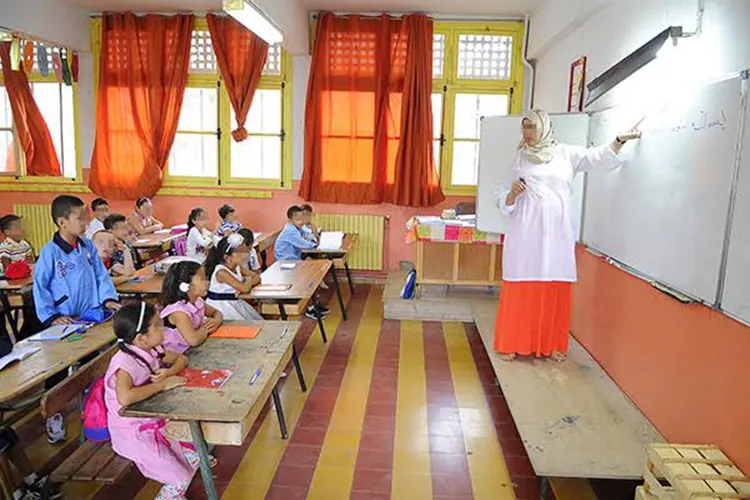
The Algerian education system has been criticized for its failure to instill moral values in students. According to Sultan Berkane, the system's focus on academic achievement has led to a neglect of essential moral principles. As a result, many students are graduating without a strong sense of ethics and responsibility. This has raised concerns among educators and parents about the future of Algerian society. The system's emphasis on academic success has created a culture of competition, but at the expense of moral development. Experts argue that this approach is detrimental to the country's long-term growth and stability. The Algerian government must address these concerns and reform the education system to prioritize moral values.
The current state of the education system is reflected in the behavior of many students. Observers have noted that students often engage in disorderly conduct, such as loud outbursts and physical altercations, in schools and on the streets. This behavior is often seen as a result of a lack of discipline and moral guidance. Many students are also seen carrying and using narcotics, and some are involved in selling illicit substances. These issues have sparked concerns about the safety and well-being of students and staff. The situation is further complicated by the fact that many students do not see the value in education and are not motivated to learn. As a result, the education system is facing a crisis of credibility.
The Algerian education system is based on Islamic principles, which emphasize the importance of moral values and character development. The Prophet Muhammad's teachings, which are part of the curriculum, stress the need for good behavior and respect for others. However, many students are not applying these principles in their daily lives. The education system is failing to provide students with a strong moral foundation, which is essential for their personal and professional development. This has significant implications for the country's social and economic future. The government must take steps to address these issues and ensure that students receive a well-rounded education.
The role of parents and educators in shaping the moral values of students cannot be overstated. Parents and teachers must work together to provide students with a supportive and guiding environment that fosters moral development. This includes setting clear expectations and consequences, as well as providing positive role models. However, many parents and educators are struggling to make a positive impact due to the challenges facing the education system. The government must provide more resources and support to help parents and educators in their efforts to promote moral values. This includes providing training and professional development opportunities for teachers.
The consequences of neglecting moral values in education are far-reaching. A society that prioritizes academic achievement over moral development is likely to experience social and economic problems. The lack of moral guidance can lead to increased crime, social unrest, and community disintegration. Furthermore, a society that values material success above all else is unlikely to achieve long-term stability and prosperity. The Algerian government must take a proactive approach to addressing these issues and promoting a culture of moral values. This requires a comprehensive reform of the education system.
Reforming the education system will require a multifaceted approach. The government must work with educators, parents, and community leaders to develop a new curriculum that prioritizes moral values and character development. This includes incorporating Islamic principles and values into the curriculum, as well as providing students with practical skills and knowledge. The government must also provide more resources and support to help schools and educators in their efforts to promote moral values. This includes providing training and professional development opportunities for teachers.
Ultimately, the future of Algerian society depends on the success of its education system. If the system prioritizes moral values and character development, it is likely to produce a generation of responsible and ethical citizens. However, if the system continues to neglect these essential principles, it is likely to exacerbate social and economic problems. The Algerian government must take a proactive approach to addressing these issues and promoting a culture of moral values. This requires a comprehensive reform of the education system and a commitment to prioritizing moral development.
Key points
- The Algerian education system must prioritize moral values and character development to produce responsible and ethical citizens.