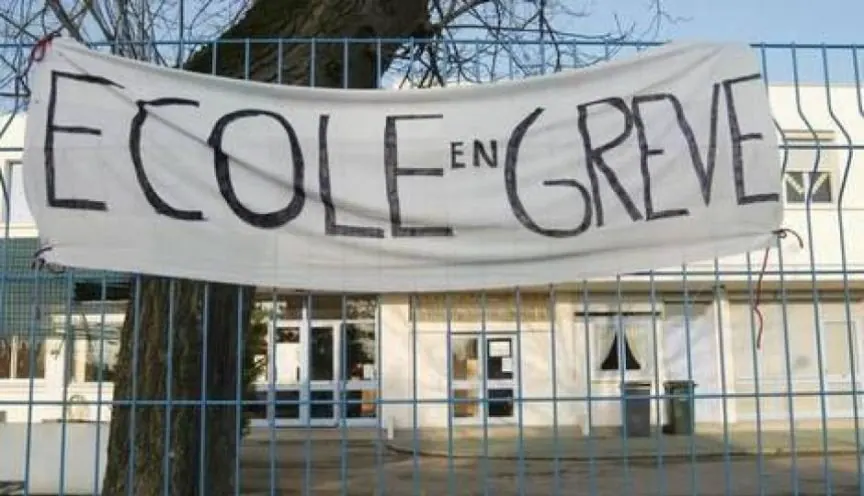
The Algerian education sector is bracing for a nationwide strike on January 21, as an alliance of six autonomous unions has decided to take action over the government's handling of their concerns. The intersyndicale, comprising Cnapest, Cla, Unpef, Snte, Snapest, and Satef, claims the education ministry has failed to address their demands, leading to the decision to strike. The move comes after a relatively calm first trimester, but threatens to disrupt the education of thousands of students.
The strike will be followed by protests on January 22 outside education directorates nationwide. The unions have expressed frustration with the ministry's "tâtonnement" - or hesitant approach - to addressing their concerns. They accuse the ministry of making decisions unilaterally, without consulting social partners. The unions had previously withdrawn from a charter of ethics signed with the ministry in 2015 and have been boycotting official meetings.
The unions' grievances include the government's failure to respect its commitments to their status and social benefits. They also oppose proposed reforms in the education sector, which they say are being imposed without consultation. The intersyndicale has warned that if their demands are not met, they may take more radical action. A meeting is planned to assess the situation and determine next steps.
According to the unions, the strike is a response to the government's lack of good faith in addressing their concerns, which have been raised repeatedly without resolution. The sector has been plagued by protest movements, and this latest strike threatens to further disrupt the academic year. The unions say they are united in their demands and willing to take action to achieve them.
The education ministry's approach has been criticized for being overly centralized and neglecting the needs of teachers and students. The unions argue that this approach has led to a decline in the quality of education and a lack of trust between the government and the education sector. They are calling for a more collaborative approach to education policy.
The strike and protests are likely to have significant implications for the education sector, which has already faced challenges in recent years. The government has faced criticism for its handling of the sector, including allegations of corruption and mismanagement. The unions' actions may put pressure on the government to address their demands and reform the sector.
The outcome of the strike and subsequent protests remains uncertain, but it is clear that the education sector is at a critical juncture. The government's response to the unions' demands will be closely watched, as will the impact on students and teachers. The situation is likely to continue to unfold in the coming weeks.
Key points
- Algerian education sector unions have announced a nationwide strike on January 21 over the government's handling of their concerns.
- The strike is a response to the government's failure to address the unions' demands, including concerns over teacher status and social benefits.
- The unions have warned that if their demands are not met, they may take more radical action.