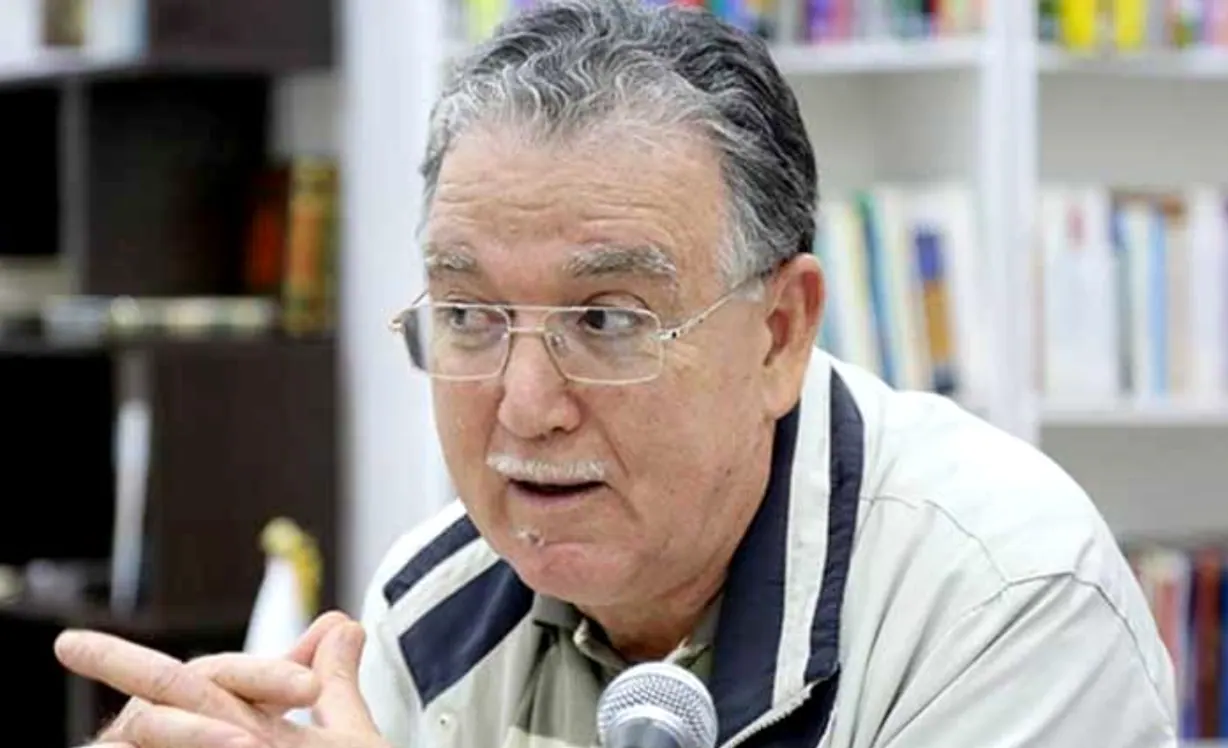
Algerian education expert Ahmed Tissa has been at the center of controversy over his views on language instruction and the national education system. Critics argue that his claims are often based on misinformation and flawed assumptions. Tissa's statements have sparked a heated debate about the role of languages in Algerian education. His views on the French language, in particular, have been met with skepticism. Many have questioned his assertion that the French language is essential to Algerian education.
Tissa's defenders argue that he has a deep understanding of the education system and has made significant contributions to the field of education. However, critics point out that his claims are often based on anecdotal evidence and lack concrete data to support them. For instance, Tissa claims that students in Algeria's neighboring countries, such as Saudi Arabia, the UAE, and Qatar, are taught in English from kindergarten to university. However, this claim has been disputed by many, who argue that it is not accurate.
A closer examination of the education systems in these countries reveals that Tissa's claims are not entirely accurate. In Saudi Arabia, for example, mathematics and science are taught in Arabic, alongside other subjects. Similarly, in Qatar, there are multiple educational pathways, including one that emphasizes Arabic language instruction. Critics argue that Tissa's misinformation undermines his credibility on the issue of language instruction in Algeria.
Tissa's advocacy for the French language has also been met with criticism. Some argue that his emphasis on French is misplaced, given the country's history of colonialism. Others argue that promoting French over Arabic or English may not be in the best interests of Algerian students. The debate over language instruction in Algeria is complex, with many stakeholders weighing in on the issue.
Despite the controversy surrounding his views, Tissa remains a prominent voice in Algerian education. His supporters argue that he has brought attention to important issues in the education system, such as the need for teacher training and curriculum reform. However, critics argue that his approach is often divisive and fails to account for the complexities of the education system.
The Algerian government has faced criticism for its handling of the education system, with many arguing that it has not done enough to address the country's educational challenges. The debate over language instruction is just one aspect of a broader discussion about the future of education in Algeria. As the country looks to reform its education system, stakeholders will need to consider a range of perspectives and priorities.
Ultimately, the controversy surrounding Tissa's views highlights the need for a more nuanced discussion about language instruction and education in Algeria. By engaging with diverse perspectives and evidence-based research, stakeholders can work towards creating a more effective and inclusive education system. The future of education in Algeria will depend on the ability of policymakers and educators to navigate complex issues and competing priorities.
Key points
- Critics argue that Ahmed Tissa's claims on language instruction are based on misinformation and flawed assumptions.
- The debate over language instruction in Algeria highlights the need for a more nuanced discussion about education and language policy.
- The controversy surrounding Tissa's views underscores the challenges of reforming the education system in Algeria.