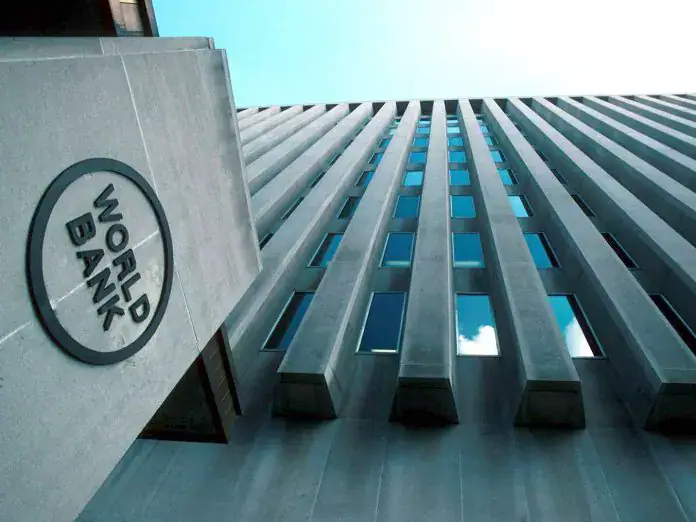
The Algerian economy demonstrated notable resilience in 2025, driven primarily by the performance of non-hydrocarbon sectors, growth in public investment, and strong domestic consumption. According to a recent World Bank report, this growth was fueled by dynamic domestic demand, supported by public investment and sustained private consumption. The report also highlights a significant decline in inflation, which fell to 1.4% in 2025, its lowest level in several years.
The World Bank report also notes a reduction in the budget deficit, which decreased to 10.4% of GDP in 2025, down from 14% in 2024. This improvement is largely attributed to the consolidation of non-hydrocarbon revenues, including exceptional dividends paid by public enterprises. The report suggests that Algeria's economy has shown a real resilience, with growth maintained outside the hydrocarbon sector.
Djamelia Hadj-Baïoglu, Resident Representative of the World Bank Group in Algeria, stated that Algeria has demonstrated real resilience, with growth well-maintained outside the hydrocarbon sector. She also emphasized that the country has the fundamentals necessary to build a more diversified and competitive economy, adding that upcoming policy choices will play a crucial role in continuing to unlock the country's economic potential.
The World Bank projects a GDP growth rate of 3.7% in 2026, accompanied by a rebound in hydrocarbon production, expected to grow by 3.8%, driven by the easing of production quotas within the Organization of the Petroleum Exporting Countries (OPEC). The institution's projections also indicate a significant improvement in the current account balance, with the deficit expected to decrease to 2.9% of GDP in 2026, supported by a more favorable hydrocarbon price environment.
The reduction in the budget deficit is seen as an encouraging signal, demonstrating Algeria's ability to mobilize financing resources beyond hydrocarbon revenues. The World Bank report suggests that this achievement is a testament to the country's efforts to diversify its economy and reduce its dependence on hydrocarbon exports.
The World Bank's positive outlook on Algeria's economy is also driven by the country's efforts to improve its business environment and implement structural reforms. The institution notes that these efforts are crucial to unlocking the country's economic potential and promoting sustainable growth.
Looking ahead, the World Bank emphasizes that Algeria's economic prospects depend on the country's ability to continue implementing policies that promote economic diversification and competitiveness. With the right policy choices, the institution is optimistic about Algeria's economic future, expecting sustained growth and improved living standards for its citizens.
Key points
- Algeria's economy shows resilience with strong growth in non-hydrocarbon sectors, public investment, and domestic consumption.
Reporting sources
- BANQUE MONDIALE : L’économie algérienne confirme sa résilience · lecourrier-dalgerie.com