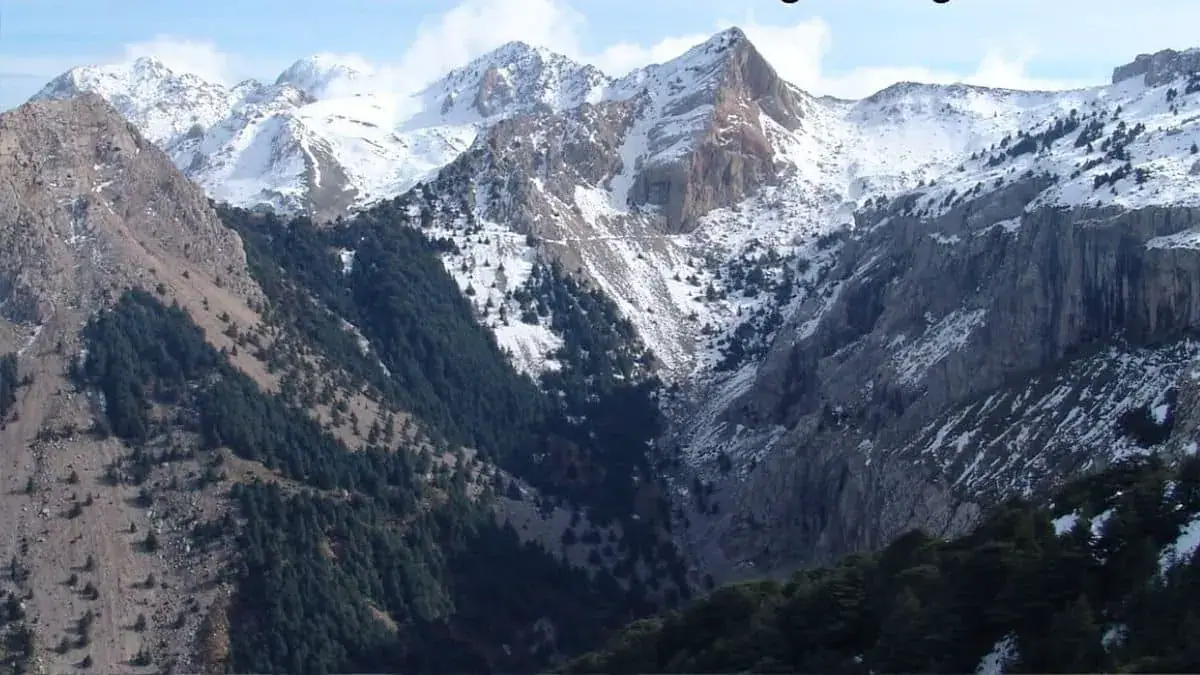
The Djurdjura National Park, located in the Bouira and Tizi-Ouzou wilayas of Algeria, is facing significant threats to its natural habitat and biodiversity. The park, one of the country's most beautiful and famous, has seen a surge in hiking and tourism, leading to increased pressure on its ecosystem. According to park officials, the site has been plagued by incidents of vandalism, aggression against park rangers, and disregard for regulations aimed at protecting the area.
Recently, an altercation broke out between park rangers and visitors who attempted to force their way into restricted areas of the forest. The incident, which occurred on November 6-7, involved verbal sparring and confrontations between park agents and individuals who refused to comply with park rules. Park authorities have condemned the behavior, emphasizing that their rangers are only doing their job to protect and preserve the natural heritage of the park.
The park's management has warned that it will not tolerate any form of aggression or threat against its personnel and will take firm action against those who break the law. According to the law on protected areas, access to certain parts of the park is strictly prohibited, except for scientific research purposes. Park officials stress that visitors must respect the rules and regulations in place to safeguard the park's fragile ecosystem.
The Djurdjura National Park is home to 176 endemic species, 25 of which are found only in the park. However, the site faces multiple threats, including overgrazing, forest fires, and rampant tourism. Mehdi Abdelaziz, head of the Tala Guilef sector of the park, has warned that if strict protection measures are not put in place, the park's heritage could disappear irreversibly.
Overgrazing is a significant problem, particularly in the park's alpine meadows, which are being degraded by excessive grazing. The exploitation of medicinal plants, such as oregano, is also a concern, with many species being uprooted with their roots. Abdelaziz has called for stricter controls to prevent the destruction of the park's unique biodiversity.
The park's management has published a map of authorized hiking trails in an effort to regulate tourism and minimize the impact on the environment. However, more needs to be done to address the scale of the problem. The park's authorities are urging visitors to respect the site's natural resources and to behave responsibly.
The fate of the Djurdjura National Park is a pressing concern, with many fearing that its unique ecosystem could be lost forever if urgent action is not taken. The park's officials are calling for greater awareness and cooperation from visitors, tourism operators, and local communities to protect this precious natural resource.
Key points
- The park faces threats from overgrazing, forest fires, and rampant tourism.