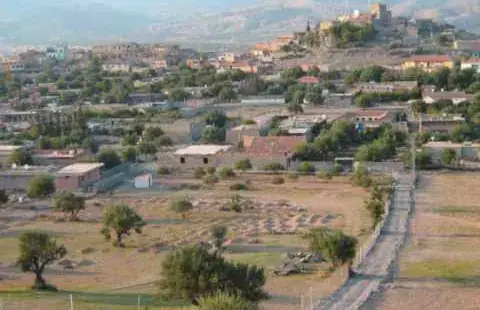
The Djurdjura National Park, spanning across the Bouira and Tizi-Ouzou wilayas, covers an area of 18,500 hectares and is home to rare endemic species listed on the International Union for Conservation of Nature (IUCN) Red List. Established in 1983, the park was recognized as a biosphere reserve by UNESCO in 1997. Its forests provide essential ecosystem services, including soil protection, recreation, and climate regulation. The park's unique biodiversity and natural beauty make it a valuable resource for research, conservation, and tourism.
Ahmed Allilèche, Conservator of the Djurdjura National Park, has emphasized the importance of protecting the park from forest fires. He notes that the park faces significant threats from fires, which can have catastrophic consequences for the ecosystem, including the loss of endemic species and habitat destruction. To mitigate these risks, the park authorities have launched a campaign to raise awareness among local communities, visitors, and stakeholders about the dangers of forest fires and the importance of conservation.
The campaign, which runs from June 1 to October 31, aims to prevent forest fires through a combination of education, outreach, and enforcement. The park authorities, in collaboration with local communities, conservation organizations, and government agencies, will work together to identify and address potential fire hazards, improve fire detection and response, and promote sustainable land-use practices. The campaign will also focus on promoting eco-friendly behaviors and encouraging visitors to respect the park's natural resources.
The park authorities have developed a comprehensive strategy to prevent and combat forest fires, which includes the deployment of fire brigades, the creation of firebreaks, and the establishment of a communication network to alert stakeholders in case of a fire. The strategy also involves collaboration with local communities, who will be encouraged to report any signs of fires or suspicious activities. Additionally, the park authorities will work with the public to promote a culture of conservation and environmental responsibility.
To support the campaign, the park authorities have mobilized significant resources, including equipment, personnel, and funding. The park has been equipped with fire-fighting vehicles, water tanks, and communication devices, and a team of trained fire fighters and conservationists will be deployed to respond to any fires that may occur. The authorities have also established a network of observation points and monitoring systems to detect fires early and respond quickly.
Despite these efforts, the park authorities acknowledge that the task of preventing forest fires is challenging, particularly given the park's rugged terrain and unpredictable weather conditions. The park's location in a region prone to high temperatures and strong winds makes it vulnerable to forest fires, which can spread quickly and have devastating consequences. However, the authorities remain committed to protecting the park and its natural resources, and are working closely with local communities and stakeholders to achieve this goal.
The campaign to prevent forest fires in the Djurdjura National Park is part of a broader effort to conserve Algeria's natural heritage and promote sustainable development. The park's conservation is essential not only for protecting biodiversity but also for supporting local livelihoods and promoting eco-tourism. By working together to protect the park, the authorities, local communities, and stakeholders can help ensure the long-term conservation of this unique and valuable ecosystem.
Key points
- The Djurdjura National Park is a UNESCO-recognized biosphere reserve that is home to rare endemic species and provides essential ecosystem services.
- The park authorities have launched a campaign to prevent forest fires, which includes education, outreach, and enforcement activities.
- The campaign aims to promote a culture of conservation and environmental responsibility among local communities, visitors, and stakeholders.