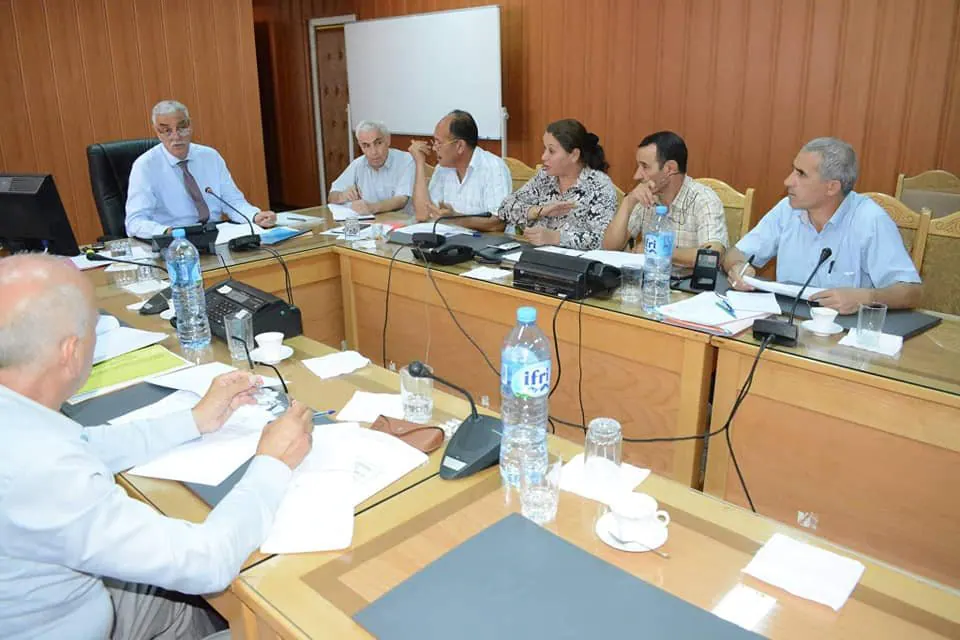
The wali of Béjaïa, Ahmed Maabed, recently summoned mayors and councilors from several blocked local councils, including those in Tifra and El-Flaye, in an effort to resolve ongoing disputes. The conclave aimed to reconcile the rival groups and enable the councils to function effectively. The disputes have been ongoing since the municipal elections of November 23, 2017, and have resulted in the paralysis of several local councils.
The commune of Tifra, located in the daïra of Sidi-Aïch, has been particularly affected by the disputes, with the mayor and opposition councilors engaging in a bitter struggle. The situation has led to the blockade of the town hall and the closure of the administrative antenna in Ikedjane. Despite various mediation attempts, the crisis has persisted, prompting the wali to intervene and urge the parties to find a solution.
During the meeting, the wali also addressed the situation in El-Flaye, where the local council has been blocked since the last municipal elections. The council is comprised of 13 members, with the RCD holding 6 seats, the FFS 5 seats, and the MPA 2 seats. The wali reportedly warned the councilors that they have 10 days to find a solution, failing which the regulatory framework will be applied, potentially leading to the dissolution of the council and the appointment of an administrator.
The disputes in El-Flaye and other communes, including Taourirt Ighil, Adekar, and Tifra, have resulted in significant governance challenges. In Boudjellil, the vote was annulled due to unrest on election day, and the commune has been managed by an administrator since 2017. The persistence of these disputes has raised concerns among local observers, who argue that the authorities have taken too long to address the issues.
The wali's initiative has been welcomed by some, but others have criticized the delay in taking action. According to local observers, it has taken two years for the authorities to organize these conclaves, which some see as a last-ditch effort to resolve the disputes. The situation highlights the complexities of local governance in Algeria, where disputes between rival groups can have significant impacts on service delivery and community well-being.
The authorities' efforts to resolve the disputes are seen as crucial to restoring stability and functionality to the affected local councils. The wali's warning to the councilors in El-Flaye and other communes underscores the need for a swift resolution. If the disputes persist, the consequences could be severe, including the dissolution of councils and the imposition of administrators.
The situation in Béjaïa province highlights the broader challenges facing local governance in Algeria. The country has struggled with issues of corruption, clientelism, and polarization, which have contributed to the disputes in various local councils. The authorities' ability to resolve these disputes and restore stability to the affected communes will be closely watched by local residents and observers.
Key points
- The wali of Béjaïa has summoned mayors and councilors to resolve disputes in several blocked local councils.
- The disputes have resulted in the paralysis of several local councils, including those in Tifra and El-Flaye.
- The authorities have warned councilors that they have 10 days to find a solution, failing which regulatory action may be taken.