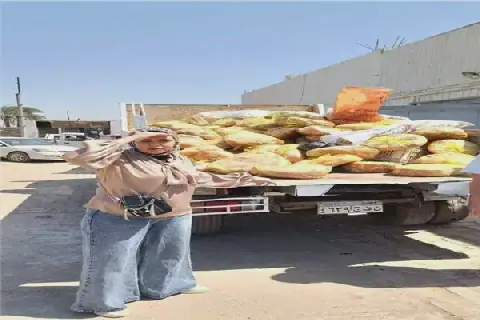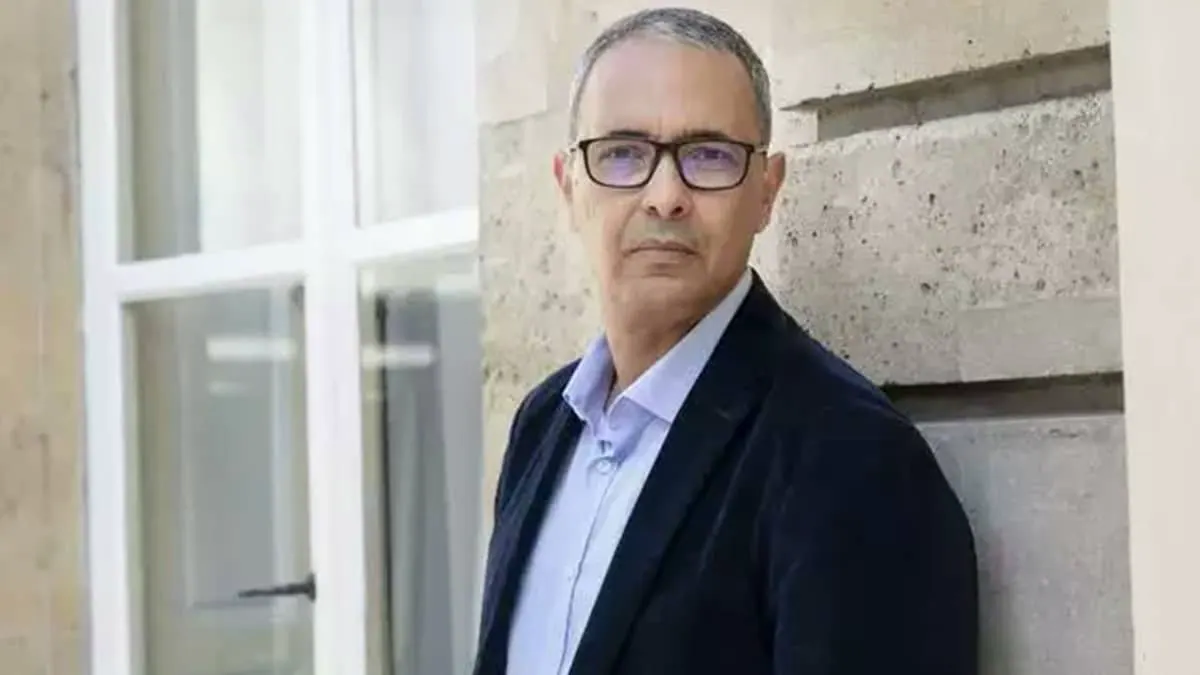
Algerian actress Hanaa Mansour has publicly denounced Kamel Daoud, a journalist and writer, and the French publication Le Point for using her image without her consent. The article in question, titled "Monologue imaginaire d'une Franco-algérienne," was published on September 30 and features a photo of Mansour, despite having no connection to the content. Mansour expressed her disapproval, stating that she was neither solicited nor consulted regarding the use of her photograph.
In a statement, Mansour emphasized that she refuses to have her image associated with the article's content or editorial line. She argued that using her image without her consent constitutes a violation of her right to control her image and likeness. Mansour demanded the immediate removal of the photograph from the article and any related publications. She also reserved the right to pursue any necessary judicial actions to protect her rights.
Mansour, 26, is a native of Algiers and has gained popularity as an influencer on social media under the pseudonym Rexleur. She has also worked as a model and actress, appearing in various television and film projects, including the 2023 series "Dama" and the 2024 film "Première Ligne" directed by Merzak Allouache. Mansour has created a video, which she has asked her fans to share on social media, asserting that she has no connection to the article or its author.
This incident is not the first time Kamel Daoud has faced accusations of violating someone's personal rights. In 2024, he was accused of using the personal story of Saada Arbane without her consent in his novel "Houris," which won the Goncourt Prize that year. Daoud was subsequently sentenced to three years in prison by the Oran court for violating Arbane's privacy.
Mansour's case highlights the importance of obtaining consent when using someone's image, particularly in a published work. The use of a person's image without their consent can be considered a violation of their rights, and Mansour has taken steps to assert her rights in this matter. The incident has sparked a conversation about image rights and the responsibility of media outlets to respect individuals' privacy.
Kamel Daoud's actions have raised concerns about the ethics of using personal stories and images in creative works. The case has also brought attention to the need for clear guidelines and regulations regarding image rights and the use of personal stories in literature and media.
The controversy surrounding Daoud's use of Mansour's image has sparked a wider discussion about the intersection of creative freedom and personal rights. As the case unfolds, it will be interesting to see how the courts and the public respond to these issues.
Key points
- Algerian actress Hanaa Mansour accuses Kamel Daoud of violating her image rights.
- Mansour demands the removal of her image from the article and reserves the right to pursue judicial actions.
- This incident is not the first time Daoud has faced accusations of violating someone's personal rights.